Peanut Butter Cup Strain: A Rich, Nutty Cannabis Cultivar with Sweet Dessert-Like Character
The Peanut Butter Cup strain stands out in the modern cannabis market because it blends dessert-like flavor, aromatic depth, and visually striking buds. Cannabis enthusiasts often gravitate toward strains that deliver unique flavor experiences, and Peanut Butter Cup fulfills that expectation through its creamy, nutty profile. The strain has gained attention among cultivators and consumers alike, largely because its terpene composition produces a distinctive scent that resembles roasted nuts and chocolate sweetness.
Moreover, cannabis breeding has evolved dramatically during the last decade. Growers now prioritize strains that combine appealing flavor, balanced genetics, and consistent bud quality. Peanut Butter Cup strain reflects this modern breeding philosophy by offering a terpene-rich profile alongside dense, resin-coated flowers.
Additionally, strain names often influence consumer curiosity. Dessert-themed cultivars frequently attract interest due to their sweet flavor associations. Peanut Butter Cup fits perfectly within this category, since its aroma and taste evoke the comforting familiarity of a chocolate and peanut butter treat.
Furthermore, the growing appreciation for terpene complexity has strengthened the popularity of strains like Peanut Butter Cup. Rather than focusing exclusively on cannabinoid potency, many cannabis enthusiasts now explore flavor diversity. As a result, strains with rich dessert-style aromas continue to gain traction across dispensaries and cannabis communities.
Genetic Background and Breeding Development
The Peanut Butter Cup strain reflects the creativity and precision of modern cannabis breeding. Cultivators often cross carefully selected parent plants in order to develop strains with specific flavor characteristics and structural traits. Through repeated selection and stabilization, new cultivars eventually emerge with consistent genetic expression.
Hybrid genetics typically define Peanut Butter Cup strain. Hybrid cultivars combine elements of both indica and sativa plant varieties, which allows breeders to shape plant structure, terpene expression, and growth patterns.
During the breeding process, parent plants with strong nutty or earthy terpene profiles are often selected. These traits pass into the offspring generation, gradually forming the distinctive aroma associated with Peanut Butter Cup.
Moreover, stabilization plays a crucial role in strain development. Breeders cultivate several generations of plants while selecting individuals that consistently display the desired characteristics. Over time, this process results in a stable strain with recognizable features.
Because of these careful breeding techniques, Peanut Butter Cup strain has developed a consistent identity that appeals to cannabis enthusiasts seeking flavor-forward cultivars.
Aroma Profile: Nutty, Sweet, and Earthy
One of the most memorable characteristics of Peanut Butter Cup strain is its aromatic complexity. When the buds are first opened, a warm and nutty fragrance usually appears.
Initially, roasted peanut notes dominate the scent profile. This nutty aroma often feels rich and slightly creamy, which contributes to the strain’s dessert-like identity.
Soon afterward, subtle chocolate-like sweetness emerges. This gentle sweetness softens the earthy base and creates a balanced fragrance that resembles confectionery treats.
Additionally, hints of herbal and woody undertones often develop as the aroma unfolds. These deeper notes add complexity to the scent and reinforce the strain’s natural cannabis character.
Terpenes are responsible for these aromatic layers. These naturally occurring compounds exist in the resin glands of cannabis flowers, and they produce the unique fragrances that distinguish one strain from another.
Because Peanut Butter Cup strain contains a terpene blend that emphasizes nutty and earthy elements, its aroma feels warm, inviting, and distinctive.
Flavor Profile and Taste Experience
Flavor represents another defining aspect of Peanut Butter Cup strain. The taste experience typically mirrors the aromatic profile while introducing additional nuances.
At first, a creamy nut flavor appears on the palate. This taste often resembles roasted peanuts or peanut butter, which immediately connects with the strain’s name.
Next, a mild sweetness develops, creating a dessert-like balance that softens the earthier tones. This sweetness sometimes resembles cocoa or caramel undertones.
Furthermore, the exhale may introduce gentle herbal or woody notes that provide depth and complexity. These subtle elements help round out the flavor profile without overpowering the main nutty character.
Smoothness also plays an important role in the strain’s popularity. Many consumers appreciate cannabis varieties that deliver rich flavor while maintaining a comfortable smoking or vaporizing experience.
Because curing techniques influence terpene preservation, the exact flavor intensity of Peanut Butter Cup strain may vary slightly between harvests.
Visual Appearance of Peanut Butter Cup Buds
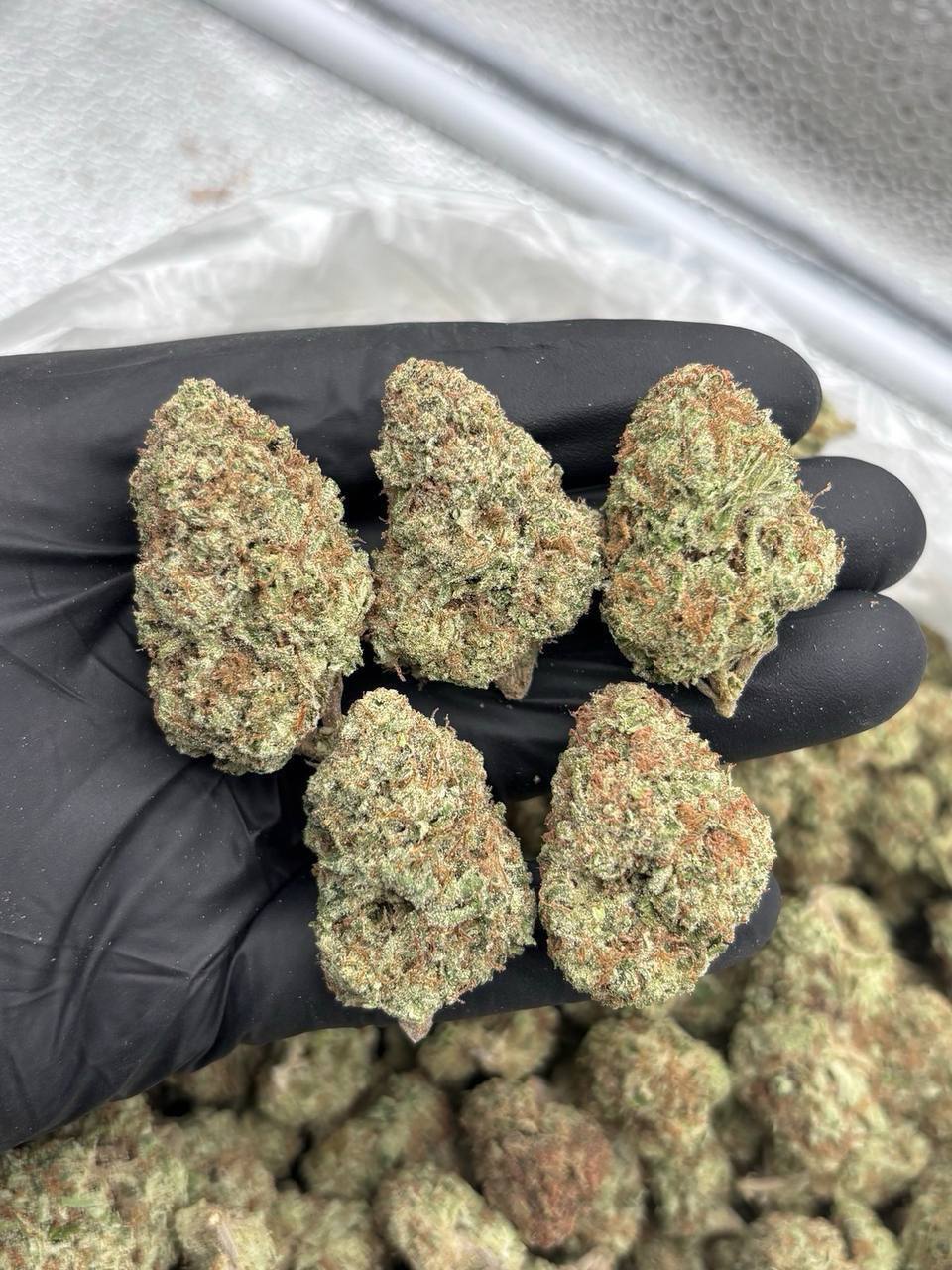
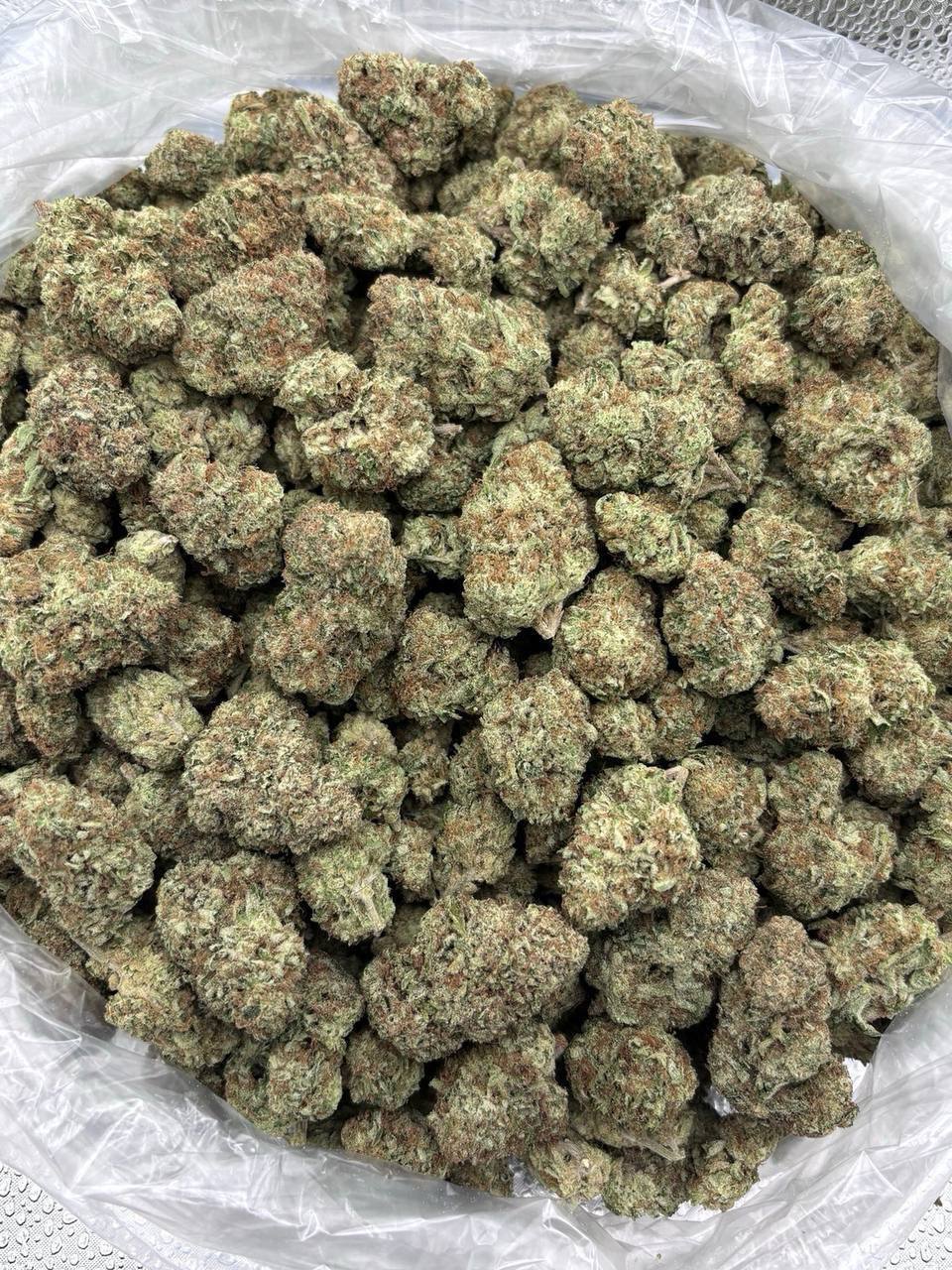
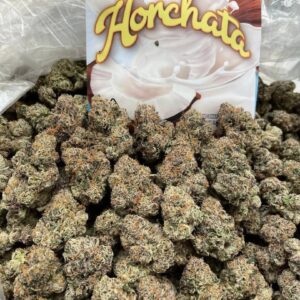
Visual appeal contributes significantly to the popularity of cannabis strains. Peanut Butter Cup strain often features dense buds that display vibrant coloration and heavy resin coverage.
The flowers usually exhibit shades of bright green combined with deeper forest-green undertones. These colors create a rich natural appearance that reflects healthy plant development.
Bright orange pistils weave throughout the buds, adding striking contrast to the green base. These pistils contribute to the classic cannabis aesthetic that many enthusiasts recognize instantly.
Moreover, a thick layer of trichomes often covers the bud surface. These resin glands contain cannabinoids and terpenes, and they give the flowers a frosty appearance.
Under strong lighting, the trichomes sparkle like tiny crystals. This shimmering effect highlights the resin production associated with high-quality cultivation.
Because visual beauty often attracts attention in dispensary displays, the appearance of Peanut Butter Cup strain frequently stands out among other cannabis varieties.
Cannabinoid Content and Potency Range
Cannabinoids define many of the primary characteristics associated with cannabis strains. Peanut Butter Cup strain generally falls within a moderate to high potency range, although cannabinoid levels can vary depending on cultivation methods.
THC content often serves as a key metric for consumers when evaluating cannabis products. However, cannabinoid potency alone does not determine the overall character of a strain.
Terpenes interact with cannabinoids through complex biological interactions. These interactions influence aroma, flavor, and the overall sensory experience associated with cannabis consumption.
Because Peanut Butter Cup strain emphasizes terpene richness alongside cannabinoid content, its profile often feels balanced and multidimensional.
Furthermore, advances in cultivation technology continue to improve cannabinoid consistency across harvest cycles, which helps maintain predictable product quality.
Terpene Composition and Aromatic Chemistry
Terpenes shape the identity of cannabis strains by influencing both scent and flavor. Peanut Butter Cup strain typically contains a terpene blend that highlights nutty, earthy, and slightly sweet aromas.
Certain terpenes contribute woody and herbal notes, which enhance the natural cannabis fragrance. Others introduce mild sweetness or creamy undertones that resemble dessert flavors.
This terpene combination creates a layered aroma that evolves gradually as the buds are handled or broken apart.
Additionally, terpene preservation during cultivation and curing remains essential for maintaining the strain’s signature scent. Improper drying conditions may reduce aromatic intensity.
Because modern cannabis consumers increasingly value terpene diversity, strains like Peanut Butter Cup continue to attract attention within the marketplace.
Cultivation Characteristics and Growth Pattern
Peanut Butter Cup strain demonstrates growth characteristics typical of hybrid cannabis plants. These plants often display balanced height and branching patterns, which support dense flower formation.
During the vegetative stage, the plant focuses on leaf and stem development. Healthy foliage allows efficient light absorption, which fuels overall growth.
Once the flowering stage begins, energy shifts toward bud production. Resin glands develop rapidly as trichome formation increases across the flowers.
Furthermore, the plant typically forms compact buds along the branches and central cola. This structure contributes to the dense appearance associated with the finished product.
Because cultivation conditions strongly influence final yield and quality, growers often monitor environmental stability throughout the plant’s lifecycle.
Indoor Cultivation Advantages
Indoor growing environments allow cultivators to control temperature, humidity, and light cycles precisely. Peanut Butter Cup strain often responds well to these stable conditions.
Controlled lighting systems provide consistent energy that supports steady plant development. Meanwhile, temperature regulation prevents stress that might affect growth patterns.
Humidity management also remains important during flowering because excess moisture may encourage mold development.
Additionally, indoor cultivation allows growers to adjust nutrient schedules carefully. Balanced nutrient feeding supports both healthy foliage and resin-rich flower formation.
Through these controlled conditions, cultivators can often maximize the aromatic potential and visual quality of Peanut Butter Cup strain.
Outdoor Growing Potential
Peanut Butter Cup strain can also be cultivated outdoors when environmental conditions remain favorable. Natural sunlight provides a full spectrum of light energy that supports vigorous plant growth.
Outdoor plants often grow larger than indoor counterparts due to unrestricted root expansion and abundant sunlight.
However, outdoor cultivation introduces challenges such as weather fluctuations, pests, and humidity changes. Growers frequently implement strategies like pruning and spacing in order to maintain airflow around the plant canopy.
Despite these challenges, well-managed outdoor cultivation can produce impressive harvests with strong terpene expression.
Harvest, Drying, and Curing
Harvest timing represents a crucial step in cannabis cultivation. Growers usually observe trichome maturity in order to determine the optimal harvest window.
Once plants reach peak maturity, they are cut and prepared for drying. During the drying stage, moisture gradually leaves the flowers while terpene integrity remains protected.
After drying, the curing process begins. Curing allows remaining moisture to distribute evenly throughout the buds.
Over time, curing enhances flavor smoothness and aromatic complexity. Chlorophyll flavors fade while terpene notes become more pronounced.
Because proper curing dramatically improves cannabis quality, many cultivators consider it one of the most important stages in the production process.
Storage and Preservation
Proper storage helps maintain the freshness and potency of Peanut Butter Cup strain. Airtight containers usually protect the flower from oxygen exposure.
Glass jars remain a popular storage option because they preserve aroma while preventing contamination from external odors.
Furthermore, cool and dark environments protect cannabinoids and terpenes from heat and ultraviolet light.
Humidity control packs may also stabilize moisture levels within the container. Balanced humidity prevents buds from becoming overly dry or excessively moist.
By maintaining appropriate storage conditions, consumers can preserve the distinctive nutty aroma and flavor associated with Peanut Butter Cup strain.
Market Popularity and Dispensary Appeal
Peanut Butter Cup strain often attracts attention in dispensaries due to its unique flavor name and appealing aroma. Dessert-themed strains frequently capture consumer curiosity because they promise distinctive taste experiences.
When displayed in dispensary jars, the frosty trichomes and colorful pistils create visual appeal. Meanwhile, the nutty fragrance becomes noticeable as soon as the container is opened.
These sensory cues help consumers explore the strain before making a purchase decision.
Additionally, the combination of visual beauty and aromatic complexity often encourages repeat interest among cannabis enthusiasts.
Because the modern cannabis marketplace values both flavor diversity and product presentation, strains like Peanut Butter Cup continue to gain visibility.
Thoughts on Peanut Butter Cup Strain
Peanut Butter Cup strain represents the creativity and innovation that define contemporary cannabis breeding. Its nutty aroma, creamy flavor, and visually striking buds combine to create a memorable cultivar.
Dessert-inspired terpene notes provide a distinctive sensory identity, while dense trichome coverage reflects careful cultivation practices.
Cannabis enthusiasts frequently explore strains that offer both flavor richness and visual beauty. Peanut Butter Cup delivers these qualities through its layered aroma and resin-rich flowers.
As the cannabis industry continues to expand, strains that highlight unique terpene profiles are likely to maintain strong popularity. Peanut Butter Cup strain stands as an example of how flavor-driven cannabis varieties continue to shape the future of modern cannabis culture.
Peanut Butter Cup Strain: Extended Cannabis Profile, Cultivation Insights, and Market Appeal
The Peanut Butter Cup strain continues to attract interest within the cannabis community because it combines dessert-inspired flavor, aromatic richness, and visually appealing buds. Cannabis enthusiasts often explore cultivars that deliver memorable sensory characteristics. Peanut Butter Cup fits this expectation through its nutty sweetness, creamy undertones, and balanced terpene composition.
Moreover, the cannabis industry has shifted toward flavor-forward strains that emphasize terpene diversity. Consumers increasingly recognize that aroma and taste play a major role in the overall cannabis experience. Peanut Butter Cup strain reflects this trend because its scent profile resembles roasted peanuts blended with subtle chocolate-like sweetness.
Additionally, cultivators appreciate strains that balance visual appeal with strong terpene production. Peanut Butter Cup frequently displays dense flowers covered with shimmering trichomes, which signal healthy resin development.
Furthermore, dessert-themed cannabis varieties continue to dominate dispensary menus. These strains often attract curiosity due to their recognizable flavor inspirations. Peanut Butter Cup stands within this category because its aroma evokes the comforting familiarity of chocolate and peanut butter confections.
Plant Structure and Growth Characteristics
The growth structure of Peanut Butter Cup strain reveals the influence of hybrid genetics. Hybrid cannabis plants typically combine structural traits from both indica and sativa lineages. This balanced structure supports steady growth and reliable flower production.
During the vegetative phase, the plant develops broad leaves and sturdy branches. These leaves capture sunlight efficiently and support photosynthesis, which fuels plant development.
Soon afterward, the plant begins forming a central stem that supports multiple lateral branches. These branches eventually become flowering sites during the bloom phase.
Furthermore, the internodal spacing usually remains moderate. This spacing allows light to reach deeper areas of the canopy while still supporting dense bud clusters.
Because balanced plant structure improves airflow and light penetration, cultivators often find Peanut Butter Cup manageable during both indoor and outdoor cultivation.
Bud Structure and Resin Coverage
Peanut Butter Cup strain frequently produces dense buds that appear compact and resin-rich. These flowers often develop along both the central cola and secondary branches.
Initially, young buds appear small and bright green. As flowering continues, the buds expand and become more compact.
Additionally, orange pistils begin to emerge from the flower clusters. These pistils create vibrant contrast against the green foliage.
Meanwhile, trichomes gradually coat the surface of the buds. These resin glands contain cannabinoids and aromatic terpenes that define the strain’s flavor profile.
Under bright light, the trichomes create a frosty appearance that many cannabis enthusiasts associate with high-quality flowers.
Because resin production contributes strongly to aroma and flavor intensity, the heavy trichome coverage of Peanut Butter Cup often signals strong terpene expression.
Terpene Layers and Aromatic Complexity
The terpene profile of Peanut Butter Cup strain contributes significantly to its distinctive aroma. Terpenes act as aromatic molecules within cannabis plants, producing the fragrances that differentiate one cultivar from another.
Initially, nutty and roasted peanut notes dominate the aroma. These scents often feel warm and rich, which gives the strain its recognizable identity.
Soon afterward, subtle sweetness develops. This sweetness may resemble cocoa, caramel, or creamy dessert flavors.
Furthermore, gentle earthy and herbal undertones create balance within the fragrance. These deeper aromas prevent the sweetness from becoming overwhelming.
Because terpenes interact with each other, the scent of Peanut Butter Cup evolves gradually as the buds are handled or broken apart.
This layered aromatic structure explains why terpene-focused consumers frequently seek out dessert-style cannabis cultivars.
Flavor Development and Smoothness
Flavor plays a major role in how cannabis strains are perceived. Peanut Butter Cup strain typically delivers a taste experience that mirrors its aromatic profile while introducing additional nuance.
At first, a creamy peanut flavor appears on the palate. This taste often resembles roasted peanuts or smooth peanut butter.
Next, mild sweetness gradually develops. These sweet notes may remind consumers of chocolate candy or soft caramel.
Additionally, the exhale often introduces subtle earthy tones. These natural flavors create balance within the overall taste experience.
Because terpene preservation during drying and curing affects flavor intensity, careful post-harvest handling helps maintain the strain’s dessert-like qualities.
Smoothness also contributes to the strain’s popularity. Many cannabis enthusiasts prefer varieties that deliver rich taste without harshness.
Environmental Stability and Growth Conditions
Successful cannabis cultivation depends heavily on maintaining balanced environmental conditions. Peanut Butter Cup strain generally responds well to stable temperatures and moderate humidity levels.
During the vegetative stage, the plant benefits from warm temperatures that encourage vigorous growth. Adequate airflow also supports healthy leaf development.
As flowering begins, humidity control becomes increasingly important. Lower humidity levels help protect dense buds from moisture-related issues.
Additionally, strong airflow across the canopy reduces stagnant air pockets. This airflow supports plant health and encourages consistent flower formation.
Because environmental stability influences both yield and terpene production, cultivators frequently monitor these conditions carefully throughout the plant lifecycle.
Lighting and Energy Requirements
Light serves as the primary energy source for cannabis plants. Peanut Butter Cup strain benefits from strong lighting that supports steady development during both vegetative and flowering stages.
During the vegetative phase, longer light cycles promote rapid leaf and stem growth. Plants use this time to build the structural foundation that supports future buds.
Later, the flowering phase begins when light cycles shift to shorter daylight periods. This change signals the plant to begin producing flowers.
High-intensity lighting encourages dense bud formation and increased resin production. However, lighting distance must remain balanced to prevent plant stress.
Growers often adjust light height as plants grow taller in order to maintain consistent illumination across the canopy.
Because proper lighting contributes directly to bud density and terpene preservation, it remains a key factor in successful cultivation.
Nutrient Balance Throughout Growth
Cannabis plants require specific nutrients in order to grow effectively. Peanut Butter Cup strain benefits from feeding schedules that adapt to each growth stage.
During vegetative growth, nitrogen plays an important role in supporting leaf development. Healthy foliage allows efficient photosynthesis and energy production.
Later, phosphorus and potassium become more important during flowering. These nutrients support bud formation and resin production.
However, nutrient balance must remain carefully managed. Excess nutrients may cause leaf discoloration or stress, while insufficient nutrients could limit plant growth.
Experienced cultivators monitor plant health indicators such as leaf color and growth patterns to maintain balanced nutrition.
Through proper nutrient management, Peanut Butter Cup plants can produce dense flowers with strong aromatic characteristics.
Harvest Timing and Flower Maturity
Harvest timing influences both flavor and cannabinoid levels. Growers typically examine trichome development in order to determine when Peanut Butter Cup plants reach peak maturity.
As the flowering stage progresses, trichomes become more abundant and change appearance. These changes help signal when cannabinoids and terpenes have reached optimal levels.
Once the harvest window arrives, plants are carefully cut and prepared for drying. Gentle handling protects delicate resin glands from damage.
Because trichomes contain the compounds responsible for flavor and aroma, preserving them remains essential during harvest.
Proper harvest timing therefore contributes significantly to the final quality of the flower.
Drying and Curing for Flavor Preservation
After harvest, cannabis flowers undergo a drying stage that gradually removes moisture. Controlled drying helps preserve terpene integrity while preventing mold development.
Buds are typically hung in a dark environment with moderate airflow. Over several days, moisture levels slowly decrease.
Once drying reaches the appropriate level, curing begins. During curing, buds are placed in sealed containers where remaining moisture redistributes evenly.
This process improves flavor smoothness and aromatic complexity. Harsh chlorophyll flavors fade, while terpene notes become more pronounced.
Because curing significantly enhances the final product, many cultivators consider it a critical step in cannabis preparation.
Storage and Freshness Maintenance
Proper storage helps maintain the flavor and potency of Peanut Butter Cup strain over time. Airtight containers protect the flower from excessive oxygen exposure.
Glass jars often remain the preferred storage choice because they preserve aroma and prevent contamination.
Additionally, cool and dark storage environments help protect cannabinoids and terpenes from degradation.
Humidity packs may also help regulate moisture levels within the container. Balanced humidity prevents buds from becoming too dry or overly moist.
Through careful storage practices, consumers can preserve the rich nutty aroma and creamy flavor associated with Peanut Butter Cup strain.
Dispensary Presentation and Consumer Appeal
Peanut Butter Cup strain often attracts attention within dispensary environments because of its distinctive name and aromatic profile. Dessert-themed strains frequently capture consumer curiosity.
When displayed in glass jars, the frosty trichomes and vibrant pistils create strong visual appeal. These characteristics often signal quality cultivation.
Meanwhile, the nutty fragrance becomes noticeable when the container is opened. This scent offers customers a preview of the strain’s flavor profile.
Clear labeling and terpene descriptions further help consumers understand the unique characteristics of the cultivar.
Because presentation plays a significant role in purchasing decisions, visually striking and aromatic strains often perform well in dispensary markets.
Future Outlook for Peanut Butter Cup Strain
The cannabis industry continues to evolve as breeders develop new cultivars and refine existing strains. Flavor-focused genetics remain especially popular among modern cannabis consumers.
Peanut Butter Cup strain fits naturally within this movement because its terpene composition emphasizes dessert-style aromas and creamy nutty flavor.
Future breeding projects may produce new phenotypes that highlight specific terpene characteristics or unique flavor variations.
Additionally, advancements in cultivation technology may enhance terpene preservation and resin production.
As cannabis culture continues to value aromatic diversity, strains like Peanut Butter Cup are likely to maintain strong popularity among enthusiasts.
Final Perspective
Peanut Butter Cup strain illustrates the creativity present within modern cannabis breeding and cultivation. Its nutty aroma, subtle sweetness, and dense trichome-covered buds create a memorable sensory experience.
Dessert-inspired terpene notes provide a distinctive identity that stands out within dispensary menus. Meanwhile, balanced hybrid genetics support reliable cultivation and attractive bud structure.
Cannabis enthusiasts often appreciate strains that combine flavor complexity with visual beauty. Peanut Butter Cup delivers these qualities through its rich terpene profile and carefully developed genetics.
As the cannabis industry continues to expand, flavor-forward cultivars like Peanut Butter Cup will likely remain influential within the evolving landscape of modern cannabis culture.

Reviews
There are no reviews yet.