Understanding Product Labels
Product labels play a significant role in helping consumers understand what they are purchasing. A detailed label may include ingredient information, serving size guidance, storage recommendations, manufacturer details, and batch identifiers. Clear labeling practices contribute to transparency and allow consumers to make more informed decisions.
In addition, ingredient lists can help individuals identify substances they may wish to avoid because of allergies, dietary preferences, or personal sensitivities. Reading labels carefully remains one of the most important steps before consuming any edible product.
Manufacturing Standards
The quality of an edible product is often influenced by manufacturing practices. Facilities that follow established quality-control procedures typically focus on consistency, cleanliness, and accurate ingredient measurement. These factors can contribute to a more reliable consumer experience.
Furthermore, some manufacturers provide information about production methods, sourcing standards, and testing procedures. This additional transparency may help consumers evaluate product quality more effectively.
Third-Party Testing and Verification
Independent testing has become an important topic within many consumer-product industries. Third-party laboratories may analyze products for ingredient verification, purity, and consistency. Although testing standards vary, independent verification can provide an additional layer of information beyond manufacturer claims.
As a result, many consumers seek products that offer accessible testing documentation and clearly communicated quality information.
Consumer Research Before Purchase
Research remains an essential part of evaluating any specialty product. Consumers often compare ingredients, manufacturing information, customer experiences, and available testing documentation before making purchasing decisions.
Moreover, reputable sources of information can help individuals understand potential risks, limitations, and considerations associated with a particular product category. Taking time to research products thoroughly can support more informed choices.
Storage and Shelf-Life Considerations
Edible products are affected by environmental conditions. Heat, humidity, and direct sunlight may alter texture, flavor, and overall quality. Therefore, following storage recommendations can help preserve product integrity.
Many gummies maintain their intended texture when stored in cool, dry conditions. Proper sealing of packaging can also reduce exposure to moisture and air, which may affect freshness over time.
Packaging Design and Consumer Appeal
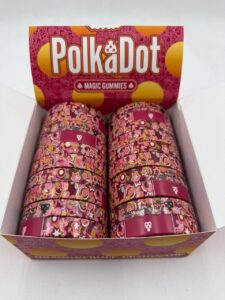
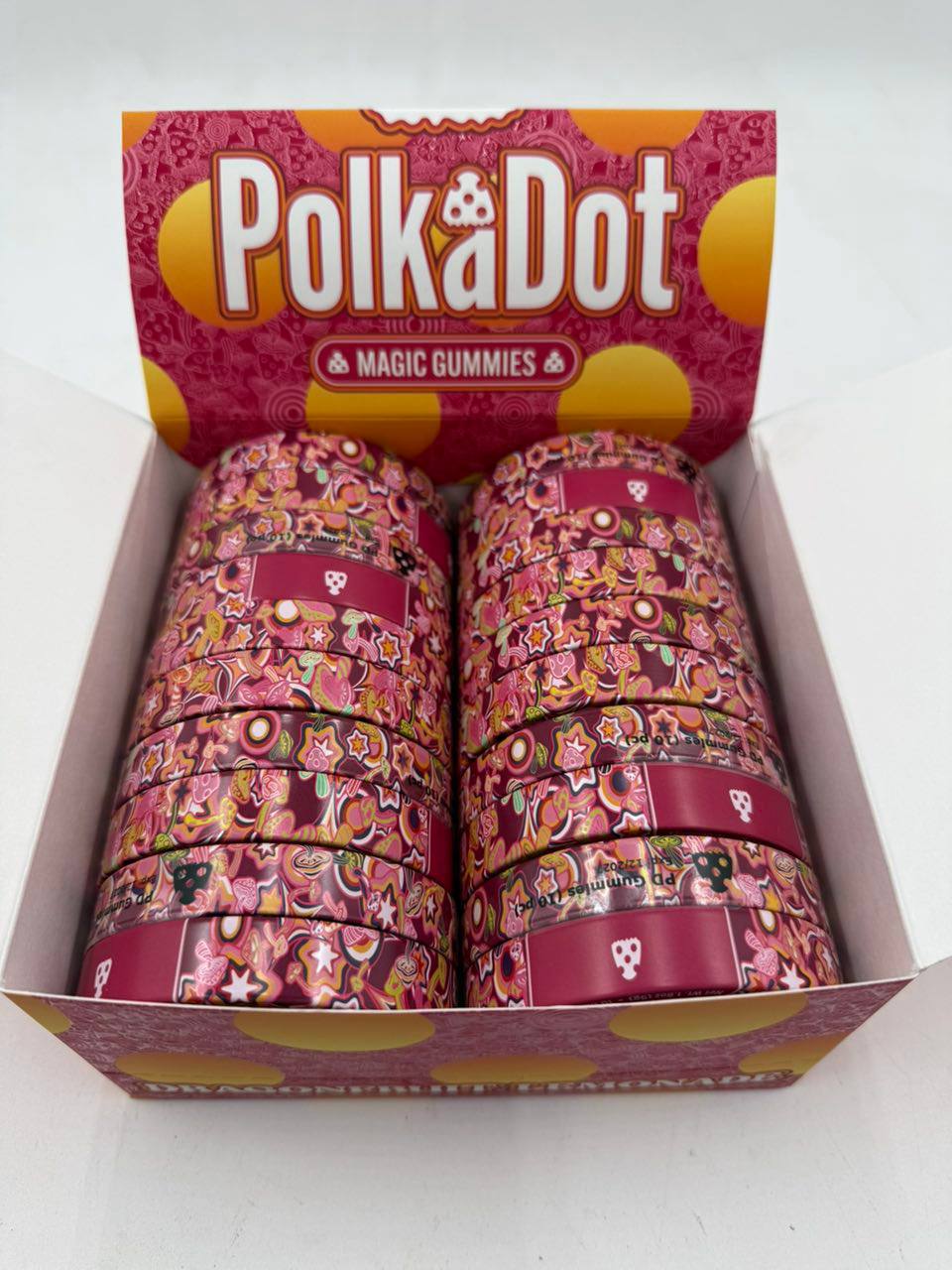
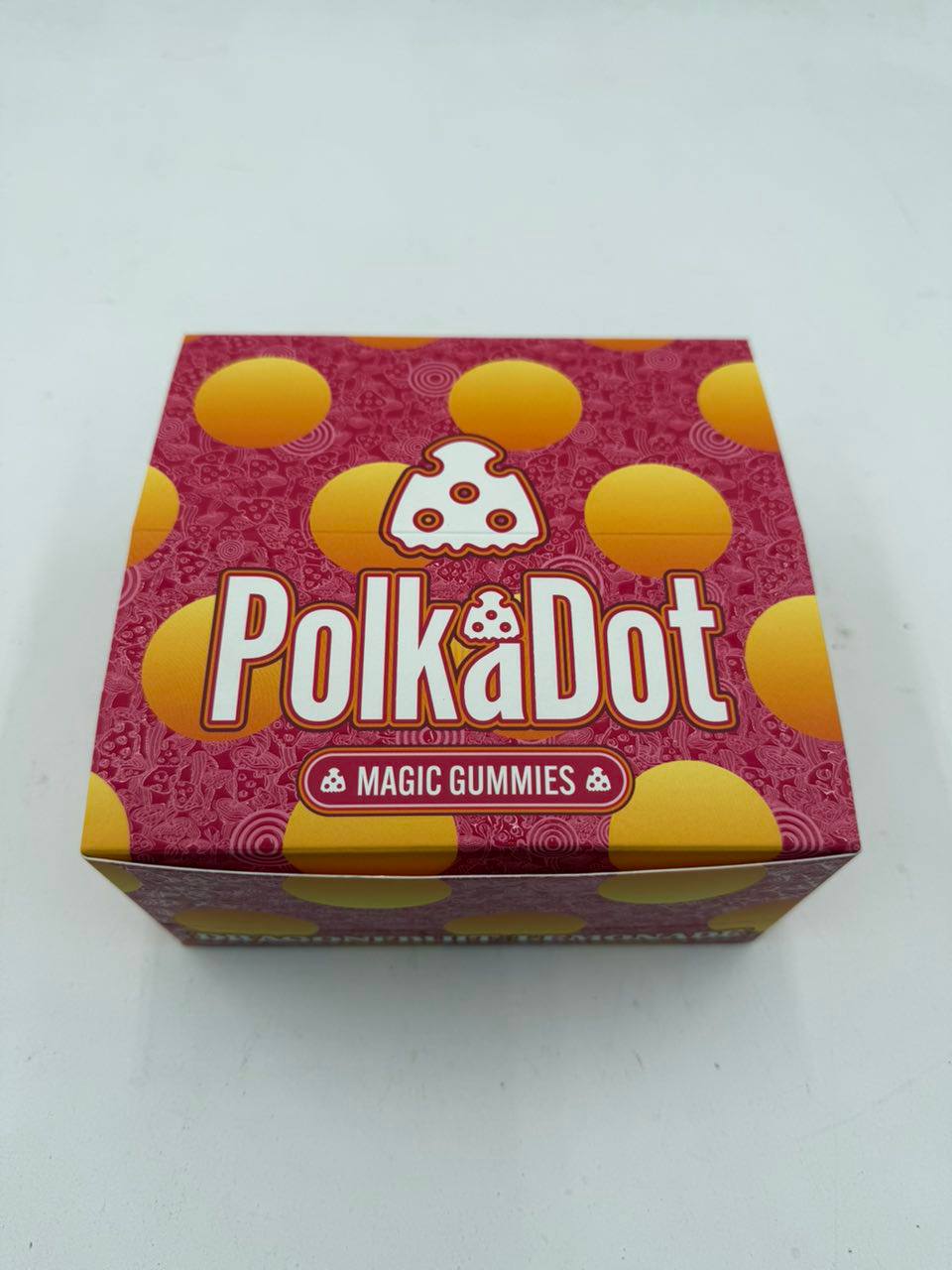
Packaging serves multiple purposes beyond aesthetics. Effective packaging can protect products during transportation, provide important product information, and improve ease of storage. In addition, packaging often plays a role in brand recognition within competitive marketplaces.
Manufacturers frequently invest in packaging designs that balance visual appeal with practical functionality. Durable materials, resealable closures, and clearly displayed information are common features consumers may encounter.
Industry Trends
The edible-product market continues to evolve as consumer preferences change. Growing interest in convenience, portability, and alternative product formats has contributed to increased attention toward gummies and other edible options.
Additionally, advancements in manufacturing technology have influenced product consistency, flavor development, and packaging innovations. These trends continue to shape consumer expectations across multiple product categories.
Responsible Consumer Practices
Responsible purchasing decisions involve more than simply selecting a product. Consumers are encouraged to evaluate ingredient information, verify product legitimacy, and consider local regulations before making decisions.
Important considerations include:
- Reviewing ingredient lists thoroughly.
- Checking manufacturer transparency.
- Verifying available testing information.
- Following storage recommendations.
- Understanding applicable local laws and regulations.
- Seeking professional advice when health concerns exist.
Frequently Asked Questions
Why do consumers choose gummy-based products?
Many individuals appreciate gummy formats because they are portable, convenient, and easy to portion. Flavor variety also contributes to their popularity.
Why is ingredient transparency important?
Transparent ingredient information helps consumers understand what a product contains and supports informed decision-making.
Does packaging affect product quality?
Packaging can influence freshness, storage stability, and product protection during transportation and handling.
Why is independent testing discussed so often?
Third-party testing may provide additional information regarding product consistency and ingredient verification, depending on the standards used.
Products marketed as magic blend gummies occupy a unique position within the broader edible-products landscape. While branding and packaging often attract attention, informed consumers typically focus on ingredient transparency, manufacturing quality, testing information, and safety considerations. Careful research, responsible evaluation, and awareness of local regulations remain important factors when assessing any specialty edible product.
Regulatory Landscape and Legal Considerations
The legal status of specialty edible products varies widely across regions. Regulations may differ depending on the ingredients used, intended purpose, and how the product is classified under local law. Because of this variation, it is important for consumers and sellers to understand the rules that apply in their specific location.
In some regions, products containing certain active compounds may be restricted or controlled. In other areas, similar products may be available under regulated frameworks. However, labeling alone does not always guarantee compliance with local regulations, so additional verification is often necessary.
Regulatory agencies in many countries focus on product safety, accurate labeling, and consumer protection. These agencies may issue guidelines or restrictions aimed at reducing risks associated with mislabeling, contamination, or misleading claims.
Risk Awareness and Consumer Responsibility
Understanding potential risks is an important part of responsible product awareness. Even when products are widely available, they may still carry uncertainties related to dosage consistency, ingredient accuracy, or manufacturing standards.
Consumers are often encouraged to consider the following risk-related factors:
- Variability in ingredient concentration
- Lack of standardized dosing in some product categories
- Differences between batches or manufacturers
- Limited regulatory oversight in certain markets
- Potential interactions with medications or health conditions
Awareness of these factors can help individuals make more cautious and informed decisions.
Quality Variability Across Brands
Not all products within the same category are manufactured under identical standards. Some brands prioritize detailed testing, transparent sourcing, and consistent formulation. Others may provide limited information or inconsistent quality control practices.
Because of this variability, two products that appear similar on the surface may differ significantly in actual composition and reliability. This makes independent research and comparison especially important when evaluating options.
Mislabeling and Market Challenges
One of the ongoing challenges in the edible-product industry is mislabeling. This can include inaccurate ingredient descriptions, inconsistent potency reporting, or unclear sourcing information. In some cases, products may not match the specifications listed on their packaging.
These issues highlight the importance of verifying product authenticity when possible. Consumers may rely on batch testing reports, verified suppliers, or established manufacturers to reduce uncertainty.
Storage Stability and Product Degradation
Over time, edible products may degrade due to environmental exposure. Factors such as heat, oxygen, and humidity can influence texture, flavor, and chemical stability. As a result, shelf-life recommendations are typically provided by manufacturers.
Common signs of degradation may include:
- Changes in color or texture
- Loss of flavor intensity
- Stickiness or melting due to heat exposure
- Dryness or hardening over time
Proper storage conditions help reduce these effects and maintain product consistency for longer periods.
Sensory Characteristics and Product Experience
While formulations differ, gummies are generally designed with attention to texture, flavor balance, and consistency. The sensory experience can vary depending on ingredient quality and production methods.
Texture is often influenced by the type of gelling agents used, while flavor depends on both natural and artificial flavoring systems. Sweetness levels may also vary depending on formulation goals and target consumer preferences.
Ingredient Sensitivities and Dietary Considerations
Some individuals may be sensitive to common gummy ingredients such as gelatin, artificial colors, or certain sweeteners. For this reason, ingredient awareness is particularly important for those with dietary restrictions or allergies.
Common dietary considerations include:
- Gelatin source (animal-based or plant-based alternatives)
- Presence of artificial coloring agents
- Use of sugar alcohols or high-intensity sweeteners
- Allergen cross-contamination risks in manufacturing facilities
Careful review of ingredient lists can help reduce unwanted reactions or dietary conflicts.
Product Transparency and Consumer Trust
Transparency plays a central role in consumer trust. When manufacturers provide clear information about sourcing, production methods, and testing, it becomes easier for consumers to evaluate product reliability.
In contrast, limited transparency may increase uncertainty and make it harder to assess product quality. As a result, many consumers prefer brands that provide accessible documentation and clear communication.
Evolving Consumer Expectations
Consumer expectations in the edible product market continue to evolve. Increasingly, individuals are looking for products that emphasize consistency, clear labeling, and verifiable quality standards.
At the same time, there is growing awareness of safety considerations and regulatory compliance. These expectations are shaping how products are developed, marketed, and evaluated across the industry.
Summary Perspective
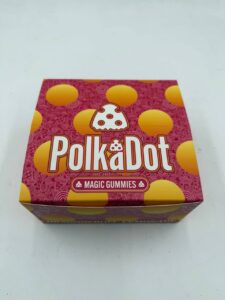
Polkadot 5G Magic Blend Gummies, like many specialty edible products, exist within a complex market influenced by regulation, manufacturing practices, and consumer demand. While interest in such products continues to grow, careful evaluation remains essential.
Ultimately, informed decision-making depends on understanding ingredients, recognizing quality differences, and considering safety, legality, and transparency. A cautious and well-researched approach helps reduce uncertainty and supports more responsible consumer choices.
Global Market Overview
The edible product market continues to expand across different regions, influenced by changing consumer preferences and evolving regulatory frameworks. In some areas, similar gummy-style products are integrated into regulated wellness or food supplement industries. In other regions, however, the same category may exist in less regulated environments.
This difference in regulation creates a fragmented global market where product availability, safety standards, and labeling requirements vary widely. As a result, consumers may encounter significant differences in product quality depending on where and how items are sourced.
Consumer Perception and Demand Drivers
Consumer interest in gummy-based products is often shaped by convenience, taste, and perceived lifestyle benefits. Many individuals prefer gummies over traditional formats because they are easier to consume and do not require additional preparation.
Additionally, branding and packaging play a strong role in shaping perception. Eye-catching designs, modern labeling, and flavor-focused marketing can increase product appeal, even when ingredient differences are minimal between competing products.
However, perception does not always match product consistency. Therefore, informed evaluation remains essential.
Product Authenticity Challenges
Authenticity concerns are common in markets where demand is high and regulation is inconsistent. Some products may imitate popular brands or use similar naming conventions without meeting the same quality standards.
Counterfeit or imitation products may differ in ingredient composition, manufacturing hygiene, and labeling accuracy. Because of this, consumers are often encouraged to verify sourcing and purchase from trusted suppliers when possible.
Authentication methods may include:
- Batch or lot number verification
- QR code scanning linked to product data
- Third-party lab result confirmation
- Authorized distributor checks
Role of Marketing in the Edible Industry
Marketing has a significant influence on how edible products are positioned in the market. Companies often use lifestyle branding, visual storytelling, and flavor-focused descriptions to attract attention.
In many cases, marketing emphasizes experience and branding rather than technical formulation details. While this approach can make products more appealing, it may also limit transparency if not balanced with clear ingredient disclosure.
As a result, consumers are encouraged to look beyond marketing language and focus on verified product information.
Comparison With Regulated Edible Products
In regulated markets, edible products typically follow strict guidelines regarding ingredient disclosure, dosage consistency, and safety testing. These standards help reduce variability and improve consumer confidence.
By contrast, unregulated or loosely regulated products may not follow the same level of oversight. This can lead to differences in potency consistency, labeling accuracy, and manufacturing quality.
The comparison highlights the importance of understanding regulatory context when evaluating any edible product category.
Technological Improvements in Production
Advancements in food manufacturing technology have improved consistency in gummy production. Modern techniques allow for better flavor integration, improved texture control, and more precise ingredient measurement.
Automation in production facilities has also contributed to increased scalability and uniformity. However, technological improvements do not automatically guarantee quality unless paired with strong quality control systems.
Future Industry Trends
Several trends are shaping the future of gummy-based edible products:
- Increased demand for transparent labeling
- Growth in third-party testing adoption
- Expansion of plant-based ingredient alternatives
- Improved traceability through digital verification systems
- Greater regulatory involvement in emerging markets
These trends suggest that the industry will continue moving toward higher transparency and standardization over time.
Ethical Considerations in Product Development
Ethical production practices are becoming more important in consumer decision-making. This includes responsible sourcing of ingredients, accurate product representation, and commitment to safety standards.
Manufacturers that prioritize ethical practices often invest in quality assurance systems and transparent communication. This approach helps build long-term trust and improves product credibility.
Consumer Education and Awareness
Education plays a key role in improving consumer safety and satisfaction. When individuals understand how to evaluate ingredient lists, interpret testing reports, and recognize quality indicators, they are better equipped to make informed choices.
Educational resources may include product guides, regulatory information, and independent reviews. Access to clear and reliable information reduces uncertainty and supports safer consumption decisions.
Final Expanded Perspective
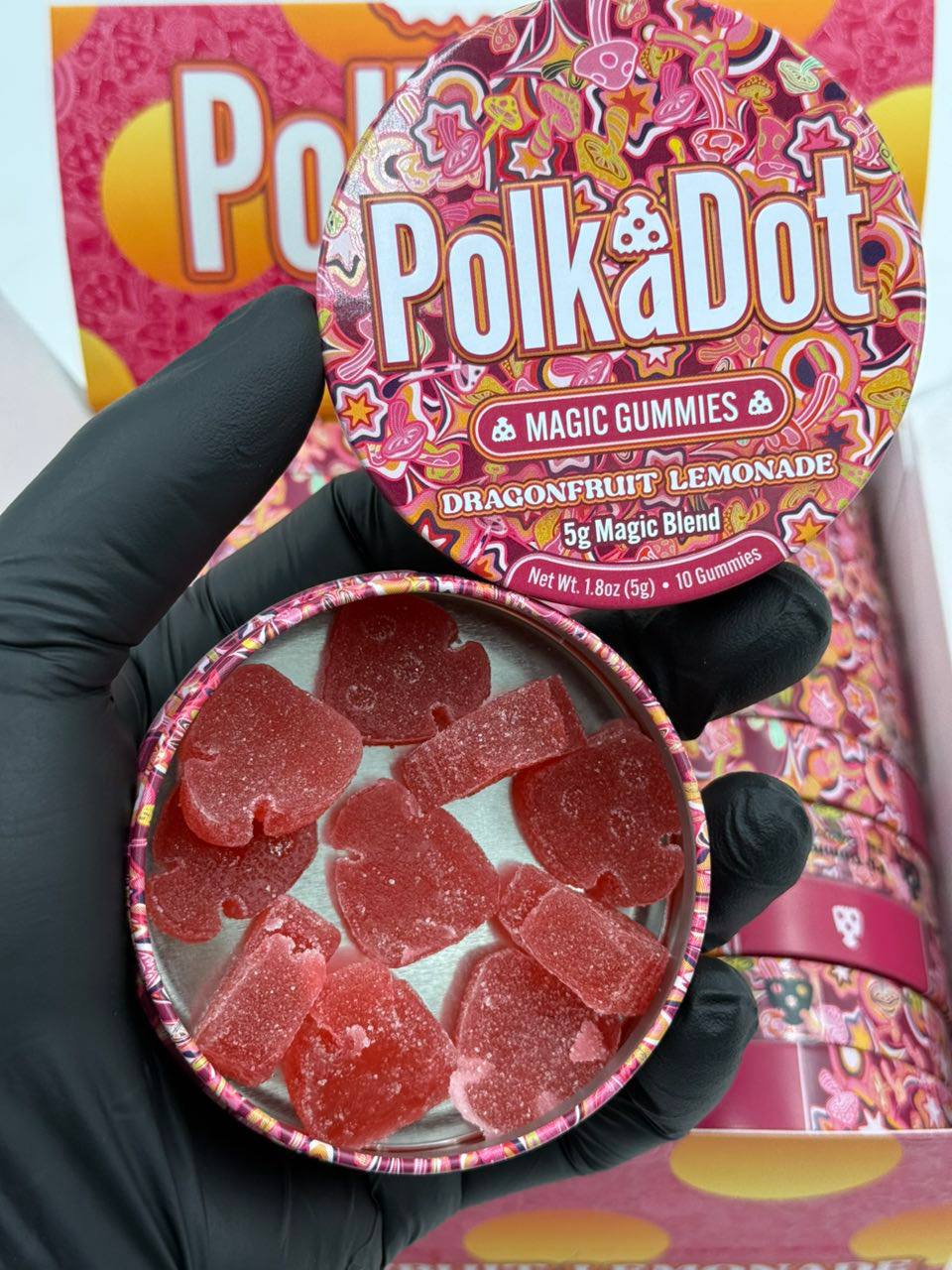
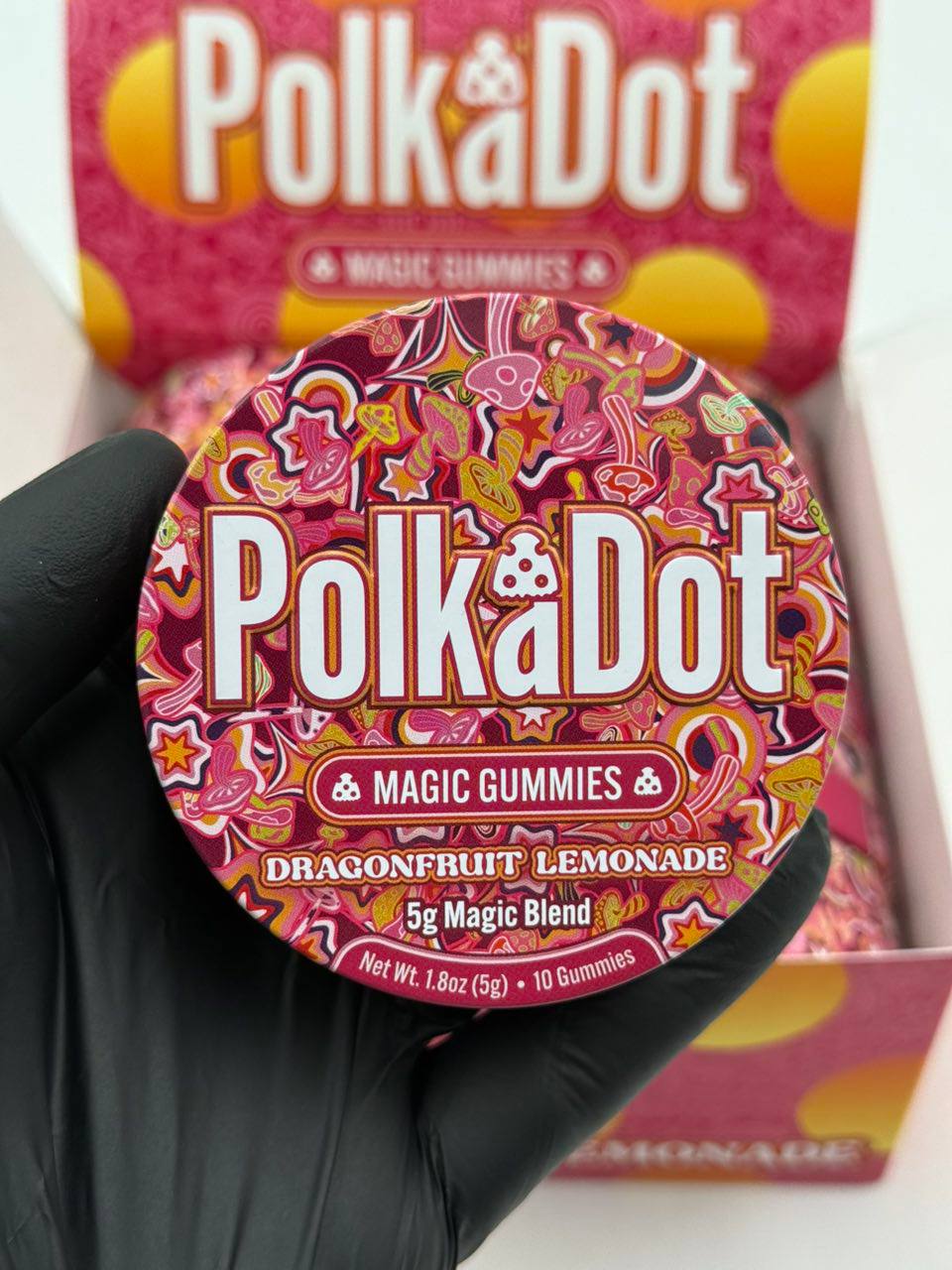
Polkadot 5G Magic Blend Gummies exist within a broader category of specialty edible products that are influenced by regulation, manufacturing standards, marketing practices, and consumer demand.
While interest in these products continues to grow globally, significant variation in quality and transparency still exists across the market. For this reason, careful evaluation remains essential.
Ultimately, understanding product composition, verifying authenticity, considering regulatory context, and prioritizing safety awareness all contribute to more responsible decision-making. As the industry continues to evolve, increased transparency and improved standards are expected to play a larger role in shaping consumer trust and product reliability.

Reviews
There are no reviews yet.