Candy Paint Strain: A Sweet Ride into Flavor and Effect
The Candy Paint strain is a remarkable hybrid that blends aesthetic appeal with potent effects, delivering an unforgettable experience for both seasoned connoisseurs and casual enthusiasts. Known for its eye-catching, glossy buds and tantalizing aroma, this strain embodies the perfect balance between flavor and potency. From the moment you open a jar, the scent of sweet candy and subtle undertones of earth and spice immediately capture your senses, hinting at the elevated journey that awaits.
Transitioning into its genetic background, Candy Paint combines carefully selected strains to produce a hybrid that offers both relaxation and euphoria. This delicate balance makes it versatile, suitable for various occasions, whether it’s unwinding after a long day or igniting creativity during artistic pursuits. Its origins reflect meticulous breeding practices, ensuring that each bud retains a consistent flavor profile, vibrant color palette, and robust effects.
Aroma and Flavor Profile
The aroma of Candy Paint is a multi-layered experience. Initially, sweet, sugary notes reminiscent of freshly unwrapped candy captivate the senses. This sweetness is complemented by subtle floral hints that lend depth to the fragrance. Upon exhalation, earthy and spicy undertones emerge, creating a complex bouquet that appeals to connoisseurs seeking a flavorful smoking experience.
When smoked or vaporized, the flavor profile mirrors the aromatic complexity. Sweetness dominates the initial taste, producing a smooth, candy-like sensation on the palate. Meanwhile, gentle hints of pine and spice create an evolving taste experience that satisfies both sweet-tooth enthusiasts and those who appreciate a more nuanced palette. This multi-dimensional flavor is a hallmark of high-quality hybrids and distinguishes Candy Paint from many commercially available strains.
Appearance and Trichome Structure
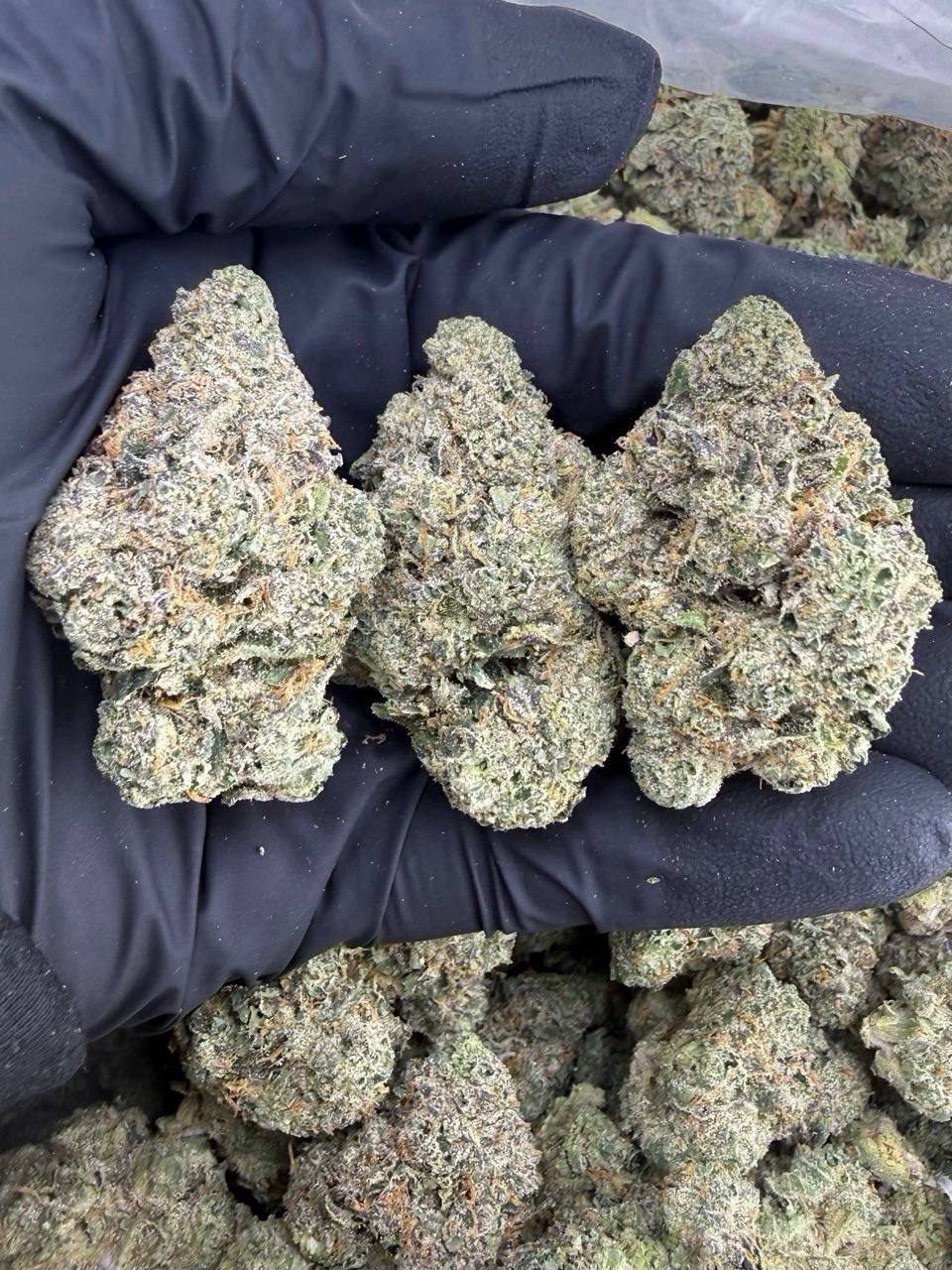
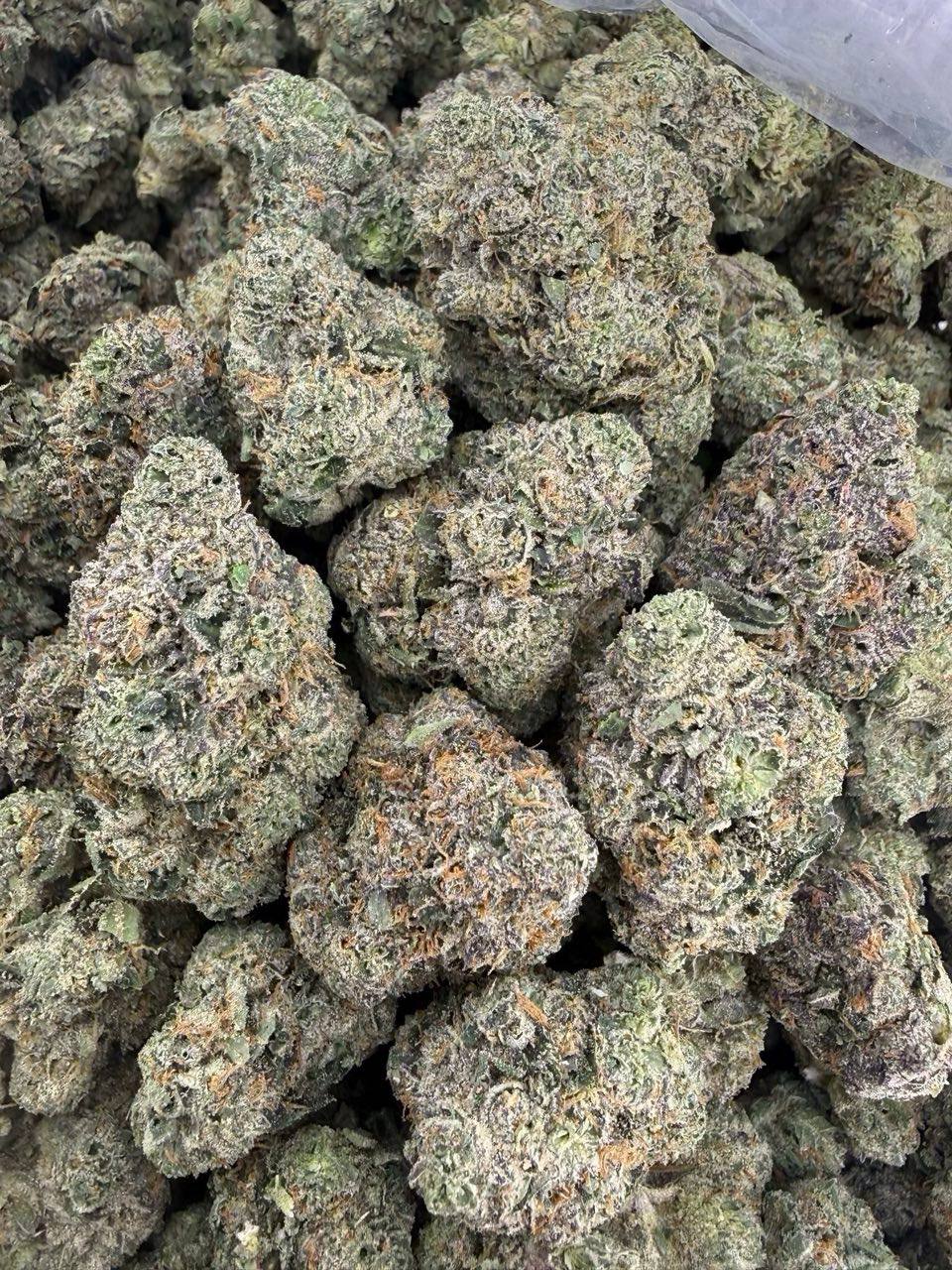
Visually, Candy Paint commands attention. Its dense buds are glossy, reflecting shades of deep emerald green intertwined with vibrant purple streaks. These visually striking hues are accentuated by bright orange pistils that weave through the buds like strands of silk. The trichome coverage is impressive, shimmering under light and hinting at the potent cannabinoid content contained within each bud.
A closer inspection reveals a crystalline frost of resin, which not only contributes to the aesthetic appeal but also indicates high potency. The structure of the buds is carefully maintained during cultivation, with tight, compact formations that signify proper curing and trimming. As a result, Candy Paint offers both a visual and tactile satisfaction that elevates the overall cannabis experience.
Potency and Effects
Candy Paint is celebrated for its balanced hybrid effects. Its THC content typically ranges between 22% and 28%, providing a powerful yet manageable experience. Consumers report a euphoric uplift that stimulates creativity and promotes social engagement. Simultaneously, a gentle body relaxation accompanies the cerebral effects, ensuring that tension and stress dissipate naturally.
For medicinal users, Candy Paint offers notable therapeutic potential. It may assist with alleviating mild to moderate pain, reducing anxiety, and improving mood. The combination of mental clarity and physical relaxation makes it suitable for day-to-day use, enhancing both productivity and leisure activities. However, the potency requires responsible consumption, particularly for those new to hybrid strains or sensitive to THC.
Cultivation and Genetics
Candy Paint’s genetics reflect careful breeding aimed at producing a stable, high-quality hybrid. Cultivators often select parent strains for their flavor, potency, and resilience, resulting in offspring that inherit desirable traits from both lineages. The plant thrives in both indoor and outdoor environments, provided that temperature, humidity, and light cycles are carefully controlled.
The flowering period generally spans 8 to 10 weeks, with experienced growers noting that optimal trichome development occurs when plants are closely monitored during the late flowering stages. Proper nutrient management, airflow, and pruning techniques further ensure dense, resin-rich buds. Such attention to cultivation detail guarantees that Candy Paint consistently delivers an exceptional sensory and psychoactive experience.
Ideal Consumption Methods
Candy Paint can be enjoyed in multiple ways, each method highlighting different aspects of the strain. Smoking in a joint or pipe delivers immediate effects and showcases the full flavor profile. Vaporization offers a smoother inhale while preserving delicate terpenes, enhancing the sweet and earthy notes. Additionally, infusions such as concentrates, edibles, or tinctures allow for tailored experiences, particularly beneficial for medicinal users seeking precise dosing.
Transitioning between consumption methods, it is crucial to consider both personal preference and desired effects. Those seeking rapid onset typically prefer smoking or vaping, while edibles and tinctures provide a slower, longer-lasting experience that may suit evening relaxation routines.
Terpene Profile and Cannabinoid Composition
Understanding the terpene structure of the Candy Paint strain reveals why its aroma, flavor, and effects feel so distinctive. Terpenes not only influence scent and taste, but they also shape the overall experience by interacting with cannabinoids. Consequently, Candy Paint offers a layered effect that feels both vibrant and calming.
Myrcene often appears as the dominant terpene. This compound contributes earthy undertones and enhances physical relaxation. As a result, users frequently notice a calming body sensation that gently settles in without overwhelming the mind. Additionally, myrcene supports the strain’s soothing qualities, which makes it appealing to those seeking relief from physical discomfort.
Limonene also plays a significant role. Known for its citrus influence, limonene introduces a bright, sweet edge that amplifies Candy Paint’s candy‑like aroma. Furthermore, this terpene supports mood elevation, which explains why many users report feeling happier and more optimistic after consumption. The presence of limonene ensures the experience feels uplifting rather than sedating.
Caryophyllene adds complexity to the terpene profile. It introduces subtle spice and pepper notes, which balance the sweetness. Meanwhile, caryophyllene interacts with cannabinoid receptors associated with stress response. Because of this interaction, the strain often promotes emotional balance and calm.
In terms of cannabinoid content, THC remains the primary compound. However, minor cannabinoids such as CBD, CBG, and CBC are also present in smaller quantities. These compounds work together through the entourage effect. Therefore, the overall experience feels smoother and more complete compared to strains with isolated cannabinoid dominance.
The Onset and Progression of Effects
The experience with Candy Paint typically begins with a gentle cerebral lift. Initially, users may notice enhanced awareness and improved mood. Colors may appear brighter, and thoughts may flow more freely. As a result, creative activities often feel more engaging and enjoyable.
Shortly afterward, a sense of euphoria develops. This stage is characterized by emotional warmth and mental clarity. Social interactions often become easier, and conversations may feel more meaningful. Consequently, Candy Paint is frequently chosen for social gatherings and creative sessions.
As the experience progresses, physical relaxation gradually emerges. Muscles begin to loosen, and tension fades. However, heavy sedation is rarely experienced when moderate amounts are consumed. Instead, balance is maintained between mental stimulation and bodily comfort.
Eventually, the effects transition into a calm and steady state. This phase allows users to unwind while remaining functional. Because of this balanced progression, Candy Paint adapts well to both daytime and evening use.
Visual Identity and Bag Appeal
Candy Paint stands out immediately through its exceptional visual presentation. The buds display a rich combination of green, purple, and orange tones. These colors blend together seamlessly, creating an appearance that resembles glossy artwork.
Trichomes coat the surface generously. Because of this heavy resin coverage, the buds appear frosted and luminous. This crystalline layer reflects light, which enhances visual appeal. Furthermore, the sticky texture signals freshness and potency.
Proper curing preserves these visual qualities. When handled correctly, the buds maintain their density and color vibrancy. Therefore, visual inspection often provides an early indication of quality.
Flavor Experience in Detail
Flavor plays a central role in Candy Paint’s popularity. Upon inhalation, sweetness immediately becomes noticeable. This sweetness resembles fruity candy, which explains the strain’s name. Additionally, subtle berry notes may emerge, adding depth.
As the flavor develops, gentle herbal and earthy tones appear. These elements prevent the sweetness from becoming overwhelming. Instead, balance is achieved between sugary and natural components.
On exhale, spice and floral hints become more noticeable. Consequently, each inhale and exhale feels slightly different. This evolving flavor profile keeps the experience engaging.
Because terpenes remain intact during careful cultivation, flavor consistency is maintained. Therefore, consumers can expect reliable taste quality when proper storage is practiced.
Cultivation Characteristics and Growth Behavior
Candy Paint offers rewarding results for skilled cultivators. The plant demonstrates hybrid growth patterns, combining traits from both indica and sativa lineages. As a result, its structure remains manageable while still producing substantial yields.
Indoor cultivation allows precise environmental control. Light cycles, humidity, and airflow can be adjusted to optimize development. Consequently, resin production often increases in controlled settings.
Outdoor cultivation can also produce excellent results when climate conditions remain stable. Warm temperatures and adequate sunlight support healthy growth. However, environmental stress must be minimized to preserve terpene integrity.
The flowering period typically ranges from eight to ten weeks. During this time, trichome development intensifies. As harvest approaches, aroma becomes more pronounced.
After harvesting, proper drying and curing are essential. These processes allow moisture levels to stabilize. Furthermore, terpene preservation improves flavor and smoothness.
User Experience and Lifestyle Integration
Candy Paint integrates seamlessly into various lifestyles. Because of its balanced nature, it adapts to different settings and moods.
Creative individuals often appreciate its mental stimulation. Ideas may flow more easily, and artistic expression may feel natural. Therefore, activities such as painting, writing, or music production may become more immersive.
Social users frequently value its uplifting qualities. Conversations may feel more fluid, and laughter may come more easily. As a result, gatherings may feel more enjoyable.
Meanwhile, relaxation seekers also find value in its calming properties. Stress may feel more manageable, and physical comfort may improve. However, mental clarity often remains intact.
Because of this versatility, Candy Paint maintains broad appeal.
Therapeutic Potential and Wellness Applications
Many users explore Candy Paint for wellness purposes. Its balanced cannabinoid and terpene profile supports multiple areas of relief.
Stress reduction is commonly reported. The calming properties may help regulate emotional response. Consequently, daily pressures may feel less overwhelming.
Mood enhancement also occurs frequently. Feelings of positivity and emotional ease may increase. Therefore, users may experience improved mental outlook.
Physical comfort may improve as well. Mild aches and tension may feel reduced. Because of this effect, the strain may support relaxation routines.
Sleep quality may also benefit when consumed in appropriate amounts. Relaxation may help prepare the body for rest. However, dosage plays an important role in outcome.
Comparison with Similar Hybrid Strains
Candy Paint shares similarities with other sweet‑flavored hybrids. However, it maintains unique characteristics.
Some strains emphasize sedation more heavily. In contrast, Candy Paint preserves mental clarity. Therefore, functionality remains possible.
Other strains may focus primarily on cerebral stimulation. Meanwhile, Candy Paint balances both mind and body effects. Consequently, versatility improves.
Flavor complexity also distinguishes Candy Paint. Many hybrids offer sweetness. However, fewer provide layered candy, floral, and spice elements simultaneously.
Because of these qualities, Candy Paint maintains a distinct identity.
Storage and Freshness Preservation
Proper storage protects quality over time. Exposure to air, heat, and light may degrade cannabinoids and terpenes. Therefore, airtight containers are recommended.
Glass containers often provide ideal conditions. They prevent excess moisture loss while preserving aroma. Additionally, cool and dark environments help maintain potency.
Humidity control packs may also support freshness. These packs regulate internal moisture levels. Consequently, texture and flavor remain stable.
When stored correctly, Candy Paint retains its characteristics longer.
Market Appeal and Consumer Popularity
Candy Paint continues to attract attention across cannabis markets. Its visual appeal, flavor quality, and balanced effects contribute to demand.
Consumers often appreciate consistency. Reliable experiences encourage repeat interest. Therefore, reputation strengthens over time.
Dispensaries frequently feature visually striking strains. Because Candy Paint offers strong bag appeal, it attracts attention quickly.
Additionally, its versatile effects broaden its audience. Both recreational and wellness users may find value.
Overall Experience Summary
Candy Paint represents a complete cannabis experience. Flavor, aroma, appearance, and effects work together harmoniously. As a result, the strain delivers satisfaction across multiple sensory levels.
Initially, sweetness captures attention. Then, balanced effects create mental uplift and physical comfort. Eventually, calm relaxation completes the experience.
Because of careful cultivation and genetic balance, consistency remains reliable. Furthermore, terpene richness enhances both flavor and effect depth.
Genetic Lineage and Breeding Excellence
Candy Paint owes its remarkable profile to carefully selected parent genetics. Breeders focused on combining flavor‑rich cultivars with visually striking hybrids. As a result, the final strain expresses vibrant coloration, high terpene output, and balanced potency. This genetic precision ensures consistency across harvests.
Initially, phenotype selection was performed to isolate plants with superior resin production. These plants were chosen because resin carries cannabinoids and terpenes. Consequently, future generations inherited stronger aroma and potency. Stability was gradually achieved through selective breeding cycles.
Furthermore, hybrid vigor contributed to plant resilience. This strength allows the plant to tolerate environmental variation more effectively. Therefore, growers often observe dependable growth performance. Genetic refinement has played a major role in Candy Paint’s commercial success.
Because lineage stability has been established, consumers often experience predictable effects. This reliability builds trust and encourages continued demand.
Harvest Timing and Trichome Maturity
Harvest timing plays a critical role in preserving Candy Paint’s signature effects. Trichomes change appearance as the plant matures. Initially, they appear clear and glass‑like. However, they gradually become cloudy and eventually amber.
Cloudy trichomes usually indicate peak THC levels. Therefore, many cultivators harvest during this stage to preserve potency. Meanwhile, amber trichomes suggest increased cannabinoid conversion. This stage may promote deeper relaxation.
Timing must be carefully balanced. If harvesting occurs too early, potency may be reduced. On the other hand, late harvesting may alter the intended effect profile. Because of this balance, careful observation is required.
Proper harvesting ensures the intended experience is delivered. Consequently, consumers receive the full benefit of the strain’s design.
Drying and Curing Influence on Final Quality
After harvest, drying begins immediately. Moisture must be removed slowly to preserve terpene integrity. Rapid drying may damage flavor compounds. Therefore, controlled drying environments are preferred.
Once drying is complete, curing follows. During curing, buds are stored in sealed containers. These containers are opened periodically to release excess moisture. This process is often called burping.
During curing, chemical stabilization occurs. Chlorophyll breaks down, which improves smoothness. Additionally, terpene expression becomes more pronounced. Because of this transformation, aroma and flavor reach full potential.
Proper curing requires patience. However, the final quality is significantly improved when curing is done correctly.
Grinding and Preparation Experience
Preparation introduces another sensory dimension. When Candy Paint buds are gently broken apart, aroma intensity increases immediately. This occurs because trichomes are disrupted.
The interior reveals brighter coloration and fresh resin. Texture often feels slightly sticky. This stickiness indicates preserved cannabinoid content.
Grinding creates even particle size. Consequently, airflow improves during consumption. Even burning or vaporization is supported by proper grinding.
Because preparation releases terpene compounds, anticipation builds before consumption.
Consumption Environment and Atmosphere
Environment influences perception significantly. Calm settings often enhance relaxation effects. Meanwhile, creative environments may amplify mental stimulation.
Lighting, music, and company all contribute to the experience. For example, peaceful surroundings may support reflection. On the other hand, social environments may encourage conversation.
Because Candy Paint maintains balance, adaptability remains one of its strengths. Users often select environments based on personal goals.
The atmosphere interacts with the strain’s properties. Consequently, each session may feel slightly different.
Duration and After‑Effect Profile
Candy Paint typically delivers effects lasting several hours. Initially, cerebral stimulation appears. Then, body relaxation gradually develops. Eventually, calm equilibrium follows.
Because of balanced cannabinoid activity, sudden intensity spikes are rarely reported. Instead, progression feels smooth and controlled.
As effects fade, gentle relaxation may remain. This stage often allows users to transition into rest comfortably.
Residual grogginess is usually minimal when moderate amounts are consumed. Therefore, normal activities may resume afterward.
Sensory Enhancement and Perception Changes
Many users report sensory enhancement. Colors may appear more vivid. Sounds may feel richer. Additionally, textures may feel more noticeable.
This sensory shift occurs because cannabinoid receptors interact with neural pathways. Consequently, perception may temporarily change.
Creative appreciation may increase during this phase. Art, music, and nature may feel more engaging.
However, intensity depends on dosage and tolerance. Because of this, individual experiences vary.
Social and Cultural Presence
Candy Paint has gained recognition in cannabis culture. Its appearance makes it popular in visual media. Photographs frequently showcase its vibrant colors.
Social communities often discuss flavor and effect balance. Because shared experiences build awareness, popularity increases.
Dispensary menus frequently highlight visually appealing strains. Therefore, Candy Paint often receives prominent placement.
Its cultural presence continues expanding as awareness spreads.
Packaging and Presentation Standards
Presentation affects perceived quality. Premium packaging protects product integrity. Airtight seals prevent terpene loss.
Light‑resistant materials reduce cannabinoid degradation. Therefore, potency remains stable.
Labeling often provides cannabinoid percentages and harvest information. This transparency allows informed selection.
Because presentation influences consumer trust, professional packaging is valued.
Long‑Term Storage Considerations
Extended storage requires stable environmental conditions. Temperature fluctuations should be minimized. Excess heat may accelerate degradation.
Humidity balance must also be maintained. Excess dryness may reduce flavor intensity. Meanwhile, excess moisture may promote mold risk.
Because cannabinoids degrade slowly over time, freshness gradually decreases. However, proper storage slows this process.
Consumers often preserve quality by limiting air exposure.
Market Position and Competitive Advantage
Candy Paint holds a strong competitive position. Its visual identity distinguishes it from standard hybrids. Consequently, initial interest is often generated visually.
Flavor depth reinforces repeat selection. Consumers frequently seek strains with memorable taste.
Balanced effects broaden its usability. Therefore, diverse consumer groups may appreciate it.
Because multiple strengths exist simultaneously, market value remains stable.
Consumer Expectations and Satisfaction
Expectation plays an important psychological role. When appearance, aroma, and effect align, satisfaction increases.
Candy Paint often meets these expectations. Flavor consistency supports positive perception.
Effect predictability reinforces reliability. Therefore, trust develops between product and consumer.
Positive experiences encourage continued interest.
Responsible Use Awareness
Balanced strains still require mindful consumption. Individual tolerance varies. Therefore, moderation is important.
Hydration and comfortable environments support positive experiences. Additionally, pacing allows gradual effect observation.
Awareness improves overall satisfaction. Consequently, experiences remain controlled and enjoyable.
Final Comprehensive Overview
Candy Paint stands as a carefully developed hybrid strain that excels across multiple categories. Genetic precision ensures stability. Cultivation expertise preserves quality. Proper curing enhances terpene expression.
Visually, vibrant coloration immediately attracts attention. Aromatically, sweet candy notes combine with floral and spice elements. Flavor delivers layered sweetness and earth balance.
Effects progress smoothly from mental uplift to physical relaxation. Because equilibrium is maintained, versatility remains one of its defining traits.
Storage practices preserve freshness and potency. Meanwhile, preparation enhances sensory anticipation.
Culturally, recognition continues expanding. Market demand reflects consumer appreciation.
Ultimately, Candy Paint represents a fusion of science, cultivation skill, and sensory artistry. Its balance, beauty, and consistency secure its place among premium hybrid cannabis strains.


Reviews
There are no reviews yet.