Cherry Code Red Strain A Vivid Fusion of Flavor, Aroma, and Elevated Character
Cherry Code Red strain stands out in today’s evolving cannabis landscape as a cultivar defined by bold sensory expression, layered genetics, and a distinctive visual identity. As the name suggests, this strain revolves around a deep cherry-forward profile complemented by subtle undertones that build complexity rather than overwhelm the palate. Because modern consumers often search for rich terpene structure and balanced effects, Cherry Code Red consistently draws attention among hybrid enthusiasts who appreciate both flavor precision and refined potency.
Genetic Background and Lineage Profile
Cherry Code Red strain reflects careful breeding that prioritizes terpene intensity, resin production, and structural stability. While breeders frequently emphasize fruit-driven profiles in contemporary hybrids, this strain integrates sweetness with a subtle earthiness that grounds the experience. As a result, the genetic structure leans toward a balanced hybrid configuration, although phenotypic variation may express slight indica or sativa dominance depending on cultivation conditions.
Moreover, cultivators value Cherry Code Red for its consistent flower formation and resin density. The lineage supports robust trichome development, which enhances both aroma projection and visual appeal. Therefore, the strain maintains relevance in premium flower categories and extract applications alike.
Visual Characteristics and Bud Structure
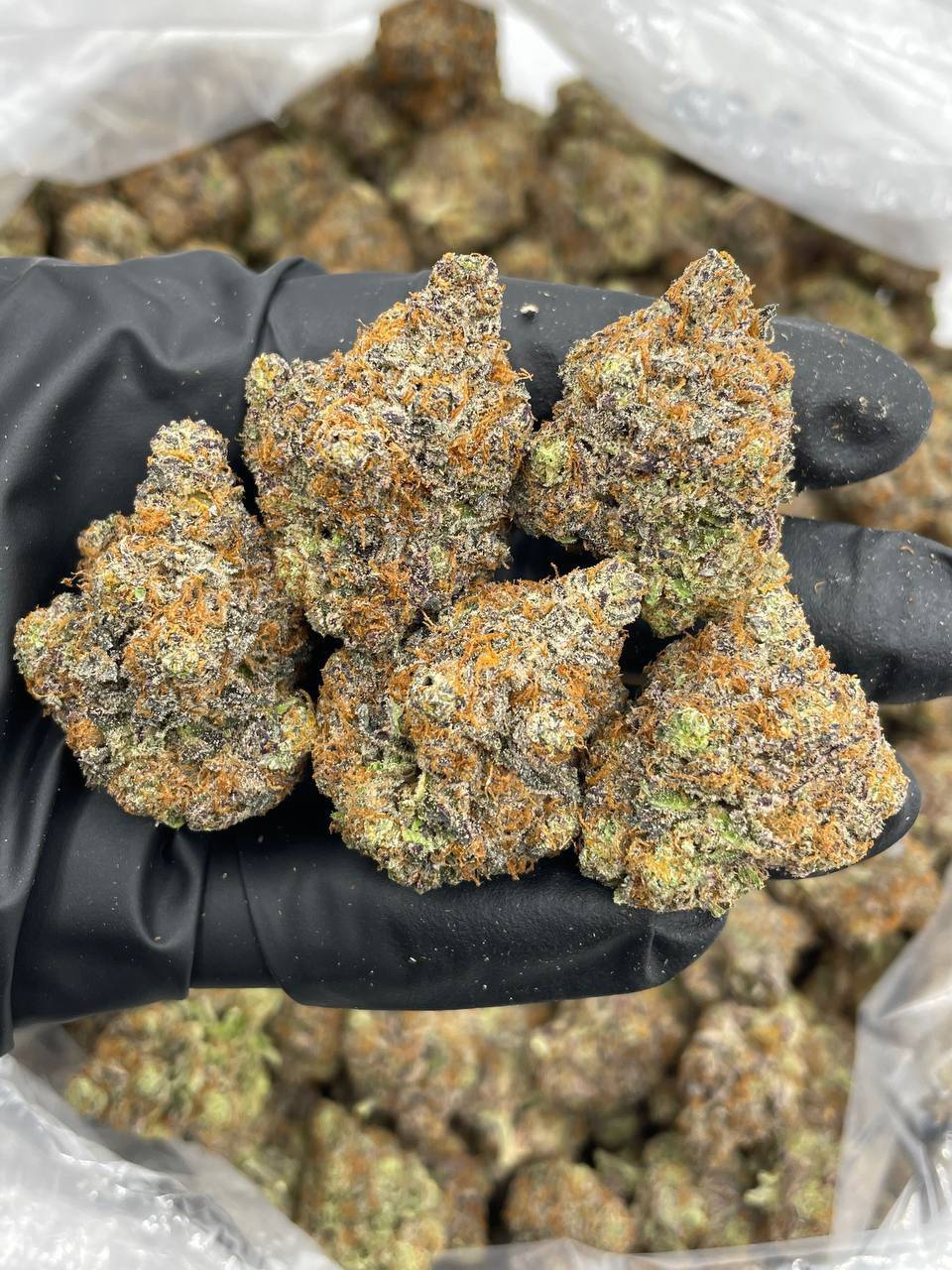
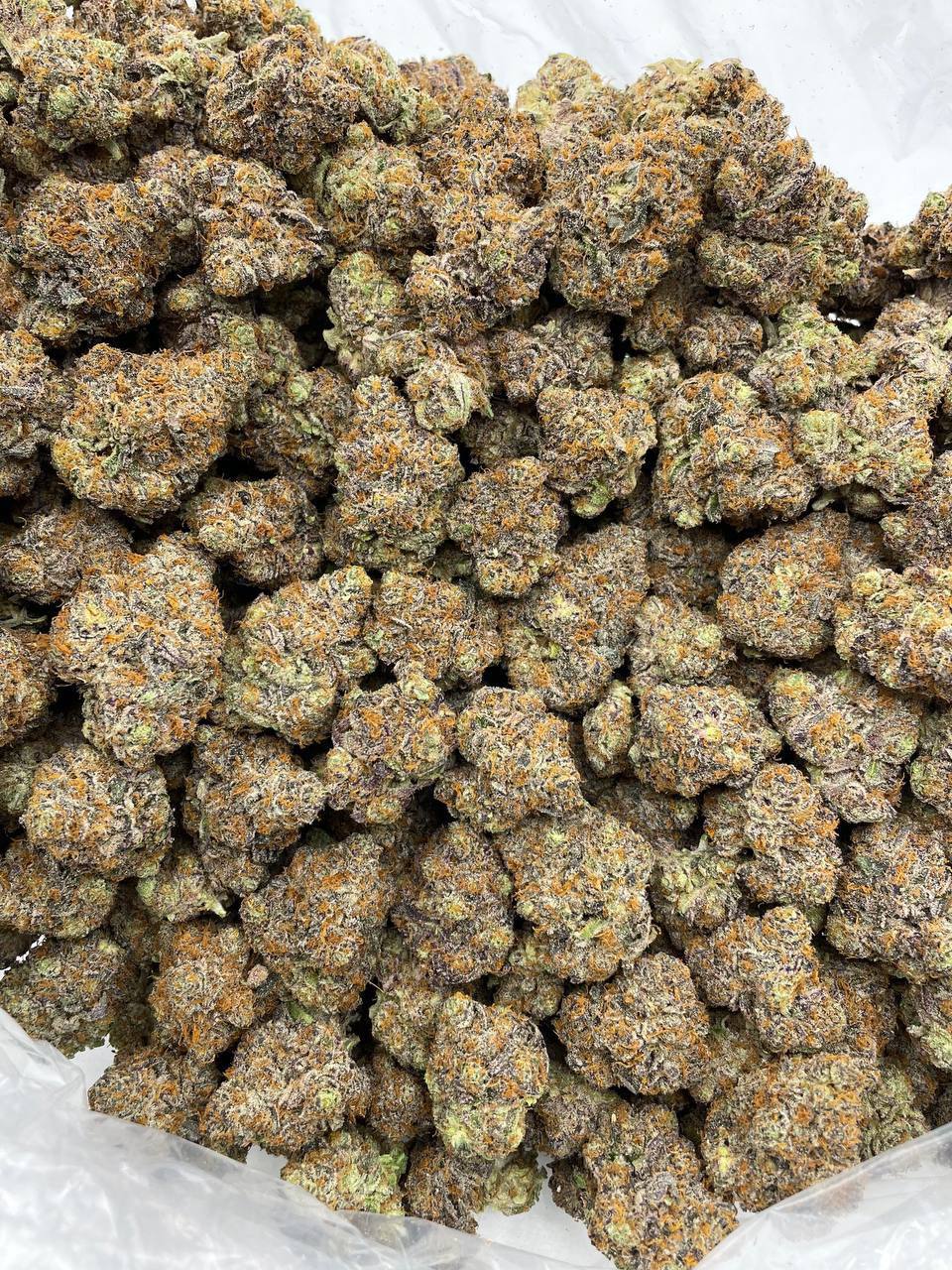
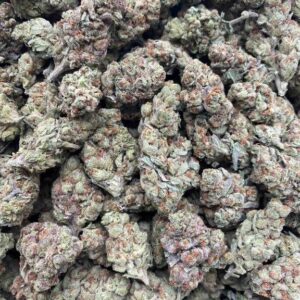
Cherry Code Red commands attention immediately through its vibrant coloration. Dense forest-green buds intertwine with flashes of crimson pistils, and in some phenotypes, subtle purple hues emerge under cooler flowering temperatures. Additionally, a thick coating of milky-white trichomes blankets the surface, creating a frosted finish that signals high cannabinoid and terpene concentration.
The nug structure typically forms tight, medium-sized clusters with minimal leaf overgrowth. Because the calyxes swell prominently during late flowering, the buds present a compact yet layered silhouette. Consequently, the aesthetic appeal aligns strongly with boutique and craft cannabis standards.
Aroma Profile: Sweet Cherry with Layered Depth
The aromatic profile defines Cherry Code Red’s identity. Upon first exposure, a sweet maraschino cherry fragrance rises distinctly from the flower. However, the sweetness does not remain one-dimensional. Instead, light notes of berry syrup blend with hints of vanilla cream and subtle herbal undertones.
As the buds break apart, the terpene intensity amplifies. Myrcene contributes a soft earthiness, while limonene introduces a faint citrus brightness that balances the sweetness. Furthermore, trace levels of caryophyllene add a delicate spice element, which enhances complexity without overpowering the fruit-forward character.
Because terpene synergy shapes the overall scent, Cherry Code Red often appeals to consumers who prioritize aromatic nuance rather than purely sharp or fuel-heavy strains.
Flavor Experience and Terpene Expression
Cherry Code Red delivers a flavor profile that mirrors its aroma while adding depth on exhale. The initial inhale often reveals ripe cherry sweetness layered with candy-like undertones. Subsequently, mild berry acidity creates contrast, preventing the taste from becoming cloying.
During exhalation, subtle herbal notes emerge, accompanied by a creamy smoothness that rounds out the experience. Therefore, the overall flavor journey progresses in stages rather than presenting a singular taste burst. This dynamic palate progression strengthens the strain’s reputation among connoisseurs who evaluate cannabis through terpene articulation.
Additionally, the smoke or vapor often feels smooth and moderately dense, reflecting balanced resin content. The finish typically lingers with faint cherry zest and soft spice notes, which reinforce brand identity and memorability.
Cannabinoid Composition and Potency Range
Cherry Code Red strain generally features moderate to high THC levels, although exact percentages vary by cultivation batch and testing facility. Because modern hybrid breeding emphasizes potency alongside terpene richness, this strain commonly satisfies consumers seeking pronounced psychoactive presence without overwhelming intensity.
CBD content usually remains minimal, as is common in recreationally oriented hybrids. However, minor cannabinoids such as CBG or CBC may appear in trace amounts, contributing subtle entourage effects. Consequently, the cannabinoid synergy enhances both sensory perception and overall balance.
Effects Profile: Balanced and Expressive
Cherry Code Red typically delivers a well-rounded hybrid experience characterized by cerebral uplift and gradual physical ease. At onset, many users report heightened sensory awareness and a gentle mood elevation. As a result, the strain often supports creative thinking and conversational engagement.
Moreover, the body effects unfold gradually rather than abruptly. Muscular tension tends to soften, yet sedation rarely dominates in moderate consumption scenarios. Therefore, Cherry Code Red maintains versatility across different times of day, depending on individual tolerance and context.
Because terpene-driven hybrids frequently influence mood through aromatic pathways, the cherry-dominant profile may enhance perceived emotional warmth and relaxation. Additionally, the balanced structure prevents excessive stimulation, which can appeal to individuals sensitive to strongly sativa-leaning cultivars.
Cultivation Characteristics and Growth Traits
From a cultivation perspective, Cherry Code Red strain demonstrates structural resilience and moderate flowering timelines. Indoor growers often observe flowering periods averaging eight to nine weeks, although environmental variables influence maturation speed.
The plant generally develops sturdy lateral branching, which supports dense bud formation. Furthermore, controlled humidity and airflow promote optimal trichome development and preserve terpene intensity. When grown outdoors in suitable climates, Cherry Code Red can achieve substantial vertical growth, particularly in phenotypes expressing sativa-leaning traits.
Because the buds form compact clusters, proper trimming and curing processes play a critical role in preserving aroma integrity. Slow curing techniques often enhance cherry sweetness while reducing harshness. Consequently, post-harvest refinement significantly impacts final market quality.
Market Appeal and Consumer Demand
Cherry Code Red strain occupies a competitive niche within fruit-forward hybrid categories. In contemporary cannabis markets, consumers frequently search for strains that combine strong visual appeal with distinctive flavor branding. Therefore, the “Cherry Code Red” name itself reinforces recognition and memorability.
Retailers often position this strain within premium flower selections due to its resin density and terpene concentration. Additionally, extract producers value it for concentrate production, as the terpene profile translates effectively into live resin and sauce formats.
Because flavor diversity continues to shape purchasing decisions, Cherry Code Red benefits from consistent demand among enthusiasts who prefer sweet, dessert-like cultivars over diesel-dominant varieties.
Terpene Synergy and Entourage Potential
The interplay between myrcene, limonene, and caryophyllene defines much of Cherry Code Red’s character. Myrcene supports relaxation and earthy depth, whereas limonene contributes brightness and potential mood elevation. Meanwhile, caryophyllene introduces subtle spice and interacts uniquely with the endocannabinoid system.
Together, these terpenes create a layered sensory framework. As a result, the strain’s effects feel cohesive rather than fragmented. Moreover, the synergy between cannabinoids and aromatic compounds strengthens perceived balance, which explains why many consumers describe the experience as smooth and structured.
Ideal Audience and Lifestyle Compatibility
Cherry Code Red often resonates with hybrid enthusiasts who appreciate sensory richness without extreme sedation. Creative professionals, social users, and flavor-focused consumers frequently gravitate toward strains with pronounced fruit profiles. Additionally, individuals exploring cannabis for mood elevation may find its balanced character appealing.
Because the strain avoids excessive heaviness in moderate amounts, it integrates smoothly into social or artistic settings. Nevertheless, potency levels suggest that responsible and mindful use remains important, particularly for newer consumers.
Storage and Preservation Considerations
Proper storage significantly influences Cherry Code Red’s longevity and terpene stability. Airtight containers, controlled humidity packs, and protection from direct light help maintain flavor intensity. Over time, exposure to air can degrade volatile terpenes; therefore, careful preservation ensures that the cherry-forward aroma remains vibrant.
Additionally, temperature consistency protects trichome integrity and prevents premature cannabinoid degradation. Consequently, retailers and consumers who prioritize optimal storage often experience more pronounced aroma retention and smoother flavor expression.
Cherry Code Red strain represents a harmonious intersection of visual appeal, terpene-driven flavor, and balanced hybrid effects. Its cherry-centric identity, layered with herbal and subtle spice undertones, distinguishes it from generic fruit strains that lack structural depth. Moreover, consistent resin production enhances both aesthetic value and extract potential.
Because today’s cannabis market values differentiation, Cherry Code Red maintains strong positioning among premium hybrid cultivars. The strain combines sweetness with refinement, potency with balance, and aroma with complexity. Therefore, it continues to attract attention from consumers who seek a vibrant yet controlled cannabis experience defined by flavor authenticity and sensory richness.
Harvest Timing and Phenotypic Variation
Cherry Code Red strain reveals subtle phenotypic diversity across cultivation batches. Although the core cherry-forward terpene profile remains stable, certain phenotypes express slightly deeper berry sweetness, while others lean toward a brighter citrus accent. Therefore, growers often conduct phenotype selection to preserve the most vibrant aromatic traits.
Harvest timing significantly influences the final effect profile. When trichomes reach peak milky opacity with minimal amber coloration, the strain typically delivers a more energetic and balanced high. Conversely, extended maturation increases amber trichome presence, which may deepen body relaxation and reduce cerebral sharpness. As a result, experienced cultivators calibrate harvest windows based on target consumer preference.
Moreover, consistent laboratory testing ensures cannabinoid accuracy and terpene quantification. Because premium markets demand transparency, documented potency and terpene percentages strengthen product credibility.
Curing Process and Flavor Development
The curing stage shapes Cherry Code Red’s final expression. Immediately after harvest, chlorophyll remains present within plant tissue. However, slow drying under controlled humidity gradually reduces harshness and refines sweetness. Consequently, the cherry aroma evolves from fresh fruit brightness into a richer, candy-like tone.
Glass jar curing with periodic air exchange supports terpene preservation. Additionally, maintaining relative humidity between 58% and 62% protects trichome integrity. Over several weeks, subtle herbal undertones become more integrated, and the overall bouquet stabilizes. Therefore, extended curing enhances complexity rather than diminishing intensity.
Because fruit-forward strains rely heavily on volatile terpenes, improper curing can flatten the profile. Thus, disciplined post-harvest management directly impacts retail appeal and repeat purchase potential.
Extract and Concentrate Applications
Cherry Code Red performs exceptionally well in concentrate production. The strain’s dense trichome coverage supports solventless and solvent-based extraction processes. Live resin formats often preserve the bright cherry terpene signature, while rosin extraction highlights creamy undertones.
Additionally, terpene-rich sauce and badder products capture both sweetness and subtle spice. Because the strain maintains a strong aromatic identity, concentrate enthusiasts frequently recognize its flavor without visual confirmation. This distinctive terpene fingerprint strengthens brand consistency across product formats.
Furthermore, vaporized concentrates often amplify limonene brightness. As a result, the inhalation experience may feel slightly more vibrant compared to traditional combustion methods. Nevertheless, both consumption formats retain the strain’s balanced hybrid effect structure.
Consumer Sensory Journey
Cherry Code Red’s sensory journey unfolds in stages. Initially, visual presentation establishes anticipation through frosted trichomes and vibrant pistils. Next, aroma projection introduces sweetness layered with nuanced complexity. Upon consumption, flavor expands into a structured blend of fruit, cream, and herbal undertones.
Shortly after inhalation, cerebral clarity tends to surface. Thoughts may feel organized yet elevated, and creative engagement often increases. Subsequently, gentle physical relaxation develops across shoulders and limbs. Because the transition occurs gradually, users frequently describe the experience as smooth rather than abrupt.
Importantly, dosage influences intensity. Moderate use preserves functional balance, whereas higher intake may increase sedation. Therefore, individual tolerance plays a central role in shaping the overall experience.
Competitive Position Within Fruit-Forward Hybrids
Within the broader cannabis marketplace, fruit-centric strains remain highly competitive. However, not all cherry-themed cultivars achieve equal terpene depth. Cherry Code Red differentiates itself through layered sweetness and subtle spice integration.
While some fruit strains rely exclusively on sugary aroma, this cultivar incorporates earthy and herbal notes that provide structural integrity. Consequently, flavor fatigue occurs less frequently. Additionally, the hybrid effect spectrum appeals to a wide consumer demographic, which supports sustained demand.
Retail analytics often reveal that strains with distinctive names and recognizable flavor signatures maintain stronger customer recall. Because Cherry Code Red combines both attributes, it frequently secures premium shelf positioning.
Packaging and Brand Identity
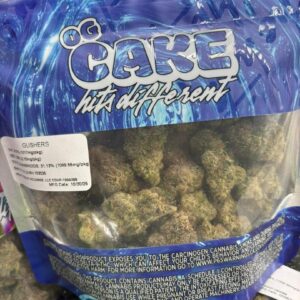
Effective packaging reinforces Cherry Code Red’s sensory identity. Red-accented labeling, cherry imagery, and bold typography often mirror the strain’s vivid profile. Moreover, airtight, UV-protective containers preserve terpene stability while enhancing visual presentation.
Clear cannabinoid labeling and terpene breakdown charts further elevate perceived value. Consumers increasingly seek transparency, and detailed information builds trust. Therefore, brands that present laboratory data alongside descriptive storytelling strengthen long-term customer loyalty.
In competitive retail settings, aesthetic coherence between strain name and packaging design can influence purchasing decisions. Cherry Code Red’s visually evocative name offers natural branding synergy.
Potential Pairings and Lifestyle Integration
Cherry Code Red integrates smoothly into various lifestyle contexts. Creative projects, music sessions, and relaxed social gatherings often complement its balanced hybrid nature. Because cerebral uplift appears early in the experience, brainstorming and artistic exploration may feel enhanced.
Additionally, the gentle body relaxation supports unwinding after structured work periods. However, heavy physical activity may feel less appealing at higher dosages due to increasing muscle ease. Therefore, context selection influences perceived suitability.
The strain’s dessert-like sweetness pairs naturally with fruit-based beverages or mild herbal teas. Flavor synergy often enhances sensory enjoyment and reinforces aromatic continuity.
Responsible Use and Consumer Awareness
Although Cherry Code Red offers balanced effects, potency levels warrant mindful consumption. New users may experience stronger psychoactive response than anticipated, particularly if THC percentages exceed 20%. Consequently, gradual pacing supports a more controlled introduction.
Hydration, comfortable environments, and measured dosing contribute to positive outcomes. Because terpene intensity influences perception, aromatic sensitivity may heighten overall experience. Additionally, individual endocannabinoid variability determines reaction patterns.
Retail education remains essential. Budtenders frequently provide guidance on potency, terpene content, and consumption methods to align expectations with experience.
Long-Term Market Outlook
Fruit-forward hybrids continue to expand within modern cannabis culture. As consumer sophistication grows, demand shifts toward strains that deliver both flavor authenticity and effect balance. Cherry Code Red aligns precisely with these evolving preferences.
Breeders may continue refining terpene stability and yield efficiency. Furthermore, advancements in cultivation technology, including LED spectrum optimization and climate control precision, could amplify cherry terpene expression in future harvests.
Because brand recognition strengthens repeat purchasing behavior, consistent quality control will remain critical. If cultivation standards and curing discipline remain intact, Cherry Code Red is positioned to retain relevance across diverse consumer segments.
Comprehensive Summary
Cherry Code Red strain embodies a contemporary hybrid that harmonizes flavor intensity, visual appeal, and structured psychoactive balance. Its defining cherry sweetness unfolds alongside creamy and herbal undertones, while trichome-rich buds signal potency and craftsmanship.
The strain’s genetic resilience supports consistent cultivation performance, and its terpene profile translates effectively into concentrates. Moreover, balanced effects provide versatility for creative, social, and relaxed environments.
Through disciplined cultivation, careful curing, and transparent market presentation, Cherry Code Red continues to meet premium cannabis expectations. Its identity remains rooted in sensory authenticity and nuanced complexity. Consequently, it occupies a strong position among modern fruit-forward hybrid strains, appealing to consumers who prioritize both flavor sophistication and refined potency in their cannabis selections.
Environmental Influence on Terpene Expression
Cherry Code Red strain responds dynamically to environmental variables during cultivation. Light intensity, nutrient balance, and temperature shifts directly influence terpene biosynthesis. For example, slightly cooler nighttime temperatures during late flowering can deepen anthocyanin expression, which sometimes enhances subtle purple hues within the buds. As a result, visual vibrancy may intensify without compromising resin production.
Additionally, spectrum-specific LED lighting often supports more consistent trichome density. When growers fine-tune red and blue light ratios, terpene development can become more pronounced. Consequently, the cherry-forward aromatic profile may appear sharper and more defined at harvest.
Humidity control also plays a crucial role. Elevated humidity during flowering can threaten resin preservation, whereas stable airflow protects glandular trichomes from degradation. Therefore, disciplined climate management sustains both potency and flavor clarity.
Soil Versus Hydroponic Cultivation Outcomes
Cherry Code Red adapts well to both organic soil systems and hydroponic setups. In living soil environments, microbial interactions can subtly enhance terpene complexity. Because beneficial microbes assist nutrient uptake, the final flower may express slightly richer earthy undertones beneath the cherry sweetness.
Conversely, hydroponic cultivation often accelerates vegetative growth and maximizes yield efficiency. Under precisely calibrated nutrient delivery, cannabinoid concentration may reach higher peaks. However, terpene nuance depends heavily on flushing protocols and mineral balance.
Each cultivation approach shapes final expression differently. While soil-grown batches sometimes display broader flavor depth, hydroponic harvests frequently present sharper aromatic projection. Consequently, consumer preference may determine which cultivation style resonates more strongly.
Laboratory Testing and Quality Assurance
Reliable laboratory analysis strengthens the credibility of Cherry Code Red in regulated markets. Third-party testing confirms THC percentages, screens for contaminants, and quantifies terpene distribution. Because consumers increasingly prioritize safety and transparency, documented lab results enhance purchasing confidence.
Microbial testing ensures the absence of mold and harmful bacteria. Additionally, pesticide screening protects public health and supports regulatory compliance. When batches pass rigorous quality benchmarks, retailers can present the product with measurable assurance.
Accurate terpene profiling also supports marketing narratives. If limonene, myrcene, and caryophyllene appear as dominant compounds, descriptive language aligns more precisely with chemical data. Therefore, laboratory transparency integrates science with storytelling.
Texture, Break-Up Consistency, and Trichome Integrity
Cherry Code Red typically exhibits a slightly sticky exterior due to resin density. When properly cured, the buds break apart evenly without excessive dryness or moisture retention. Because ideal moisture content stabilizes between 10% and 12%, trichomes remain intact while combustion or vaporization stays smooth.
The interior texture often reveals tightly packed calyx formations coated in shimmering gland heads. Under magnification, trichomes appear bulbous and intact, indicating careful handling during trimming. Consequently, visual inspection alone often signals premium-grade craftsmanship.
Mechanical over-trimming can compromise trichome heads. Therefore, hand-trimmed batches frequently preserve greater resin coverage and aromatic potency. This distinction influences both shelf appeal and overall sensory performance.
Consumption Methods and Flavor Performance
Cherry Code Red performs consistently across multiple consumption formats. Traditional combustion delivers dense cherry sweetness accompanied by herbal complexity. However, vaporization at controlled temperatures often accentuates limonene brightness and preserves volatile terpenes more effectively.
Lower vaporization temperatures emphasize fruit and cream notes, whereas higher temperatures draw out earthy and spice undertones. Because terpene volatility varies by compound, temperature calibration shapes the flavor journey. As a result, experienced users frequently experiment with incremental heat adjustments to refine their sensory experience.
In edible infusion contexts, terpene presence may diminish due to heat exposure during decarboxylation. Nevertheless, the cannabinoid profile remains potent, and cherry identity can still influence aroma subtly in finished products.
Psychological and Sensory Atmosphere
Cherry Code Red often fosters an atmosphere characterized by clarity and warmth. The onset typically feels articulate rather than overwhelming. Thoughts may flow more smoothly, and creative associations sometimes emerge with greater ease. Because the hybrid balance avoids abrupt stimulation, the experience unfolds in a measured progression.
As cerebral brightness stabilizes, physical comfort increases gently. Shoulders and back muscles may feel less tense, yet mobility remains intact in moderate doses. Therefore, the strain maintains versatility across evening relaxation and low-intensity daytime engagement.
Mood perception frequently aligns with terpene synergy. Limonene presence may contribute to perceived uplift, while myrcene introduces calming undertones. Together, these compounds shape an integrated psychoactive framework.
Consumer Education and Purchasing Behavior
Modern cannabis consumers often evaluate strains through multiple metrics: THC percentage, terpene profile, cultivation method, and visual quality. Cherry Code Red aligns well with this analytical approach because it offers both measurable potency and distinctive sensory character.
Retailers who provide terpene breakdown charts frequently observe higher engagement from informed buyers. When consumers understand how myrcene or limonene influences experience, purchasing decisions become more intentional. Consequently, education strengthens long-term brand trust.
Packaging transparency also impacts behavior. Clear harvest dates, batch numbers, and laboratory references reinforce authenticity. In competitive markets, such clarity differentiates premium products from generic alternatives.
Shelf Life and Long-Term Stability
Terpenes gradually degrade when exposed to oxygen, light, and heat. Therefore, Cherry Code Red retains peak flavor when stored in cool, dark environments with minimal air exposure. Vacuum-sealed packaging or nitrogen-flushed containers may extend aromatic longevity.
Over extended storage periods, sweetness may mellow slightly, while earthy undertones become more prominent. Although cannabinoid potency declines slowly, terpene intensity diminishes more noticeably. Consequently, fresher batches typically provide the most vivid cherry articulation.
Retail rotation strategies that prioritize freshness enhance consumer satisfaction. Maintaining controlled storage conditions preserves both chemical stability and sensory richness.
Cultural Appeal and Flavor Trends
Fruit-forward strains occupy a significant cultural niche within cannabis communities. Cherry Code Red resonates particularly with consumers who favor dessert-like cultivars over diesel-heavy or pine-dominant varieties. Because flavor exploration drives modern experimentation, strains with distinct aromatic identities frequently gain social media attention and word-of-mouth recognition.
Additionally, the strain’s name evokes intensity and vibrancy. This branding synergy reinforces memorability and enhances online search visibility. As cannabis culture continues evolving toward boutique differentiation, recognizable flavor signatures remain central to product success.
Economic Positioning and Retail Strategy
Premium hybrid strains with consistent terpene output often command mid-to-high price tiers. Cherry Code Red fits comfortably within this bracket due to its resin density and aromatic distinction. Retailers frequently position it as a flagship fruit hybrid within curated menus.
Seasonal promotions sometimes highlight cherry-themed branding during summer or festive periods. Because visual identity aligns naturally with red-toned marketing campaigns, merchandising flexibility expands promotional potential.
Bulk purchasing incentives may encourage repeat buyers, particularly among consumers who value flavor continuity. Consequently, steady supply and consistent cultivation quality remain essential for sustaining revenue momentum.
Comprehensive Closing Perspective
Cherry Code Red strain embodies a sophisticated fusion of vibrant aesthetics, terpene-forward sweetness, and structured hybrid balance. Its cherry-dominant aroma unfolds with layered herbal and creamy nuances, while trichome-rich buds reflect meticulous cultivation. Environmental precision, careful curing, and laboratory transparency collectively elevate final presentation.
The strain adapts seamlessly across flower and concentrate formats, maintaining aromatic clarity and balanced psychoactive progression. Because flavor authenticity and potency synergy drive contemporary cannabis demand, Cherry Code Red continues to secure relevance within premium hybrid categories.
Through disciplined cultivation practices, informed consumer education, and strategic market positioning, this cultivar sustains both sensory intrigue and commercial viability. Its identity remains rooted in complexity, vibrancy, and refined performance, offering an experience defined by depth rather than simplicity.
Reviews
There are no reviews yet.