Pink Zerbert Strain: A Comprehensive Exploration
Introduction
The Pink Zerbert strain stands as one of the most vibrant, aromatic, and flavorful cannabis varieties available today. Known for its striking pink-hued buds, this strain has captured the attention of both seasoned cultivators and casual enthusiasts alike. Its visual appeal alone draws admiration, but it is the layered sensory experience that truly sets Pink Zerbert apart. From the first glance to the lingering aftertaste, every aspect of this strain offers a unique encounter with cannabis craftsmanship. Moreover, its carefully balanced cannabinoid profile enhances both relaxation and euphoria, creating a versatile experience suitable for multiple contexts.
Transitioning from appearance to aroma, Pink Zerbert delivers an unmistakable scent profile. The buds emit a sweet, tangy, and slightly tart fragrance reminiscent of raspberry and citrus candies. This olfactory experience is intensified when the flowers are broken apart, releasing terpenes that tantalize the senses. Users often report that the initial aroma alone sparks anticipation, setting the stage for the effects that follow. Furthermore, the fragrance does not fade quickly, ensuring that each session maintains its sensory richness.
Appearance and Visual Appeal
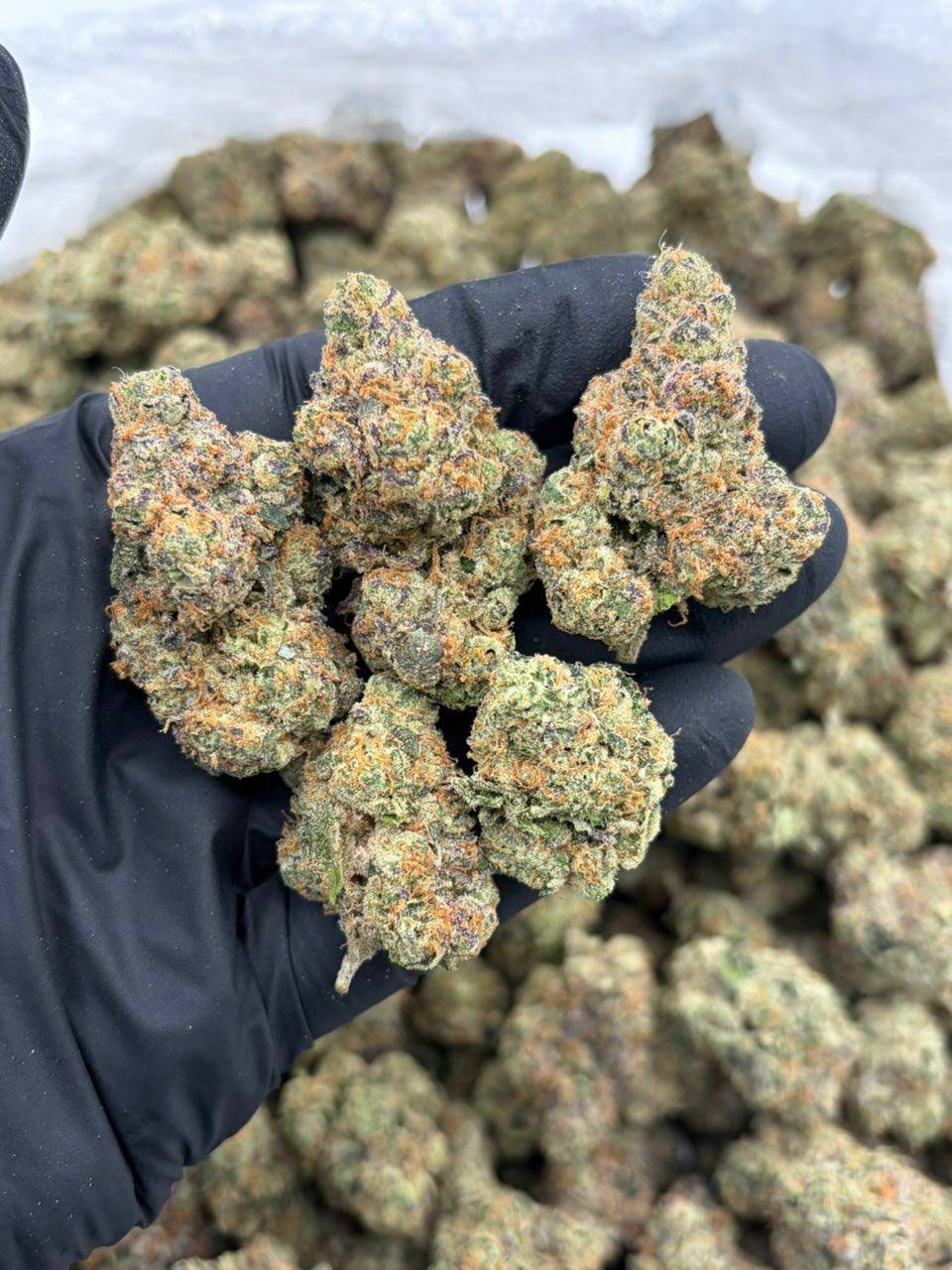
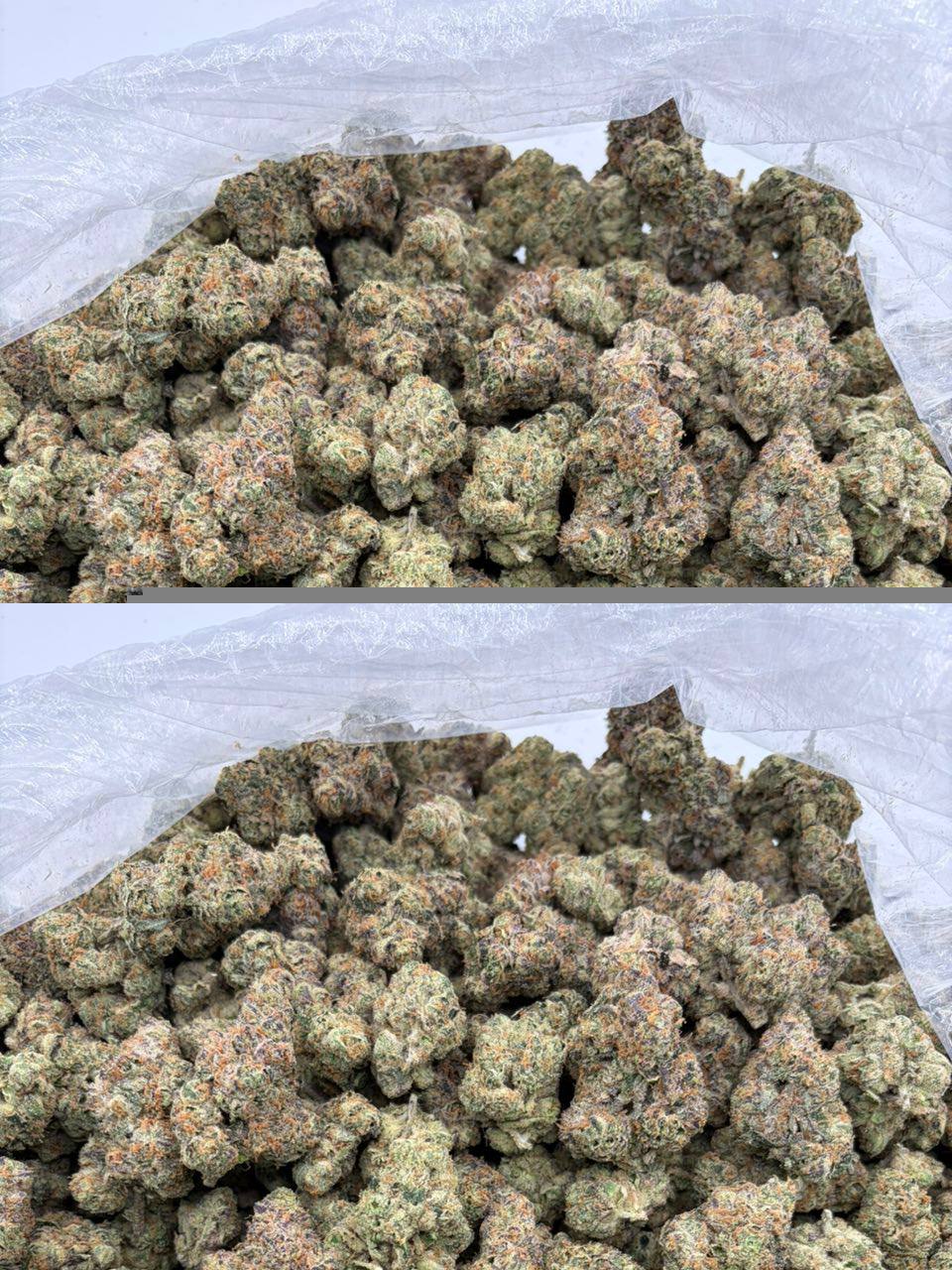
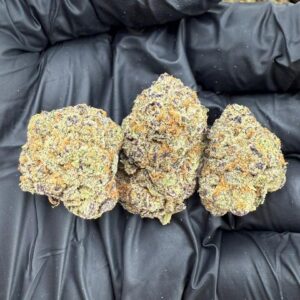
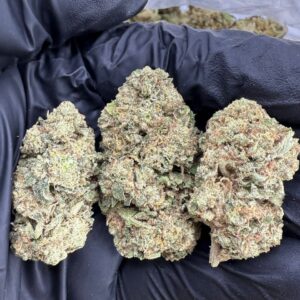
Pink Zerbert’s aesthetic is defined by a striking palette of soft pinks, vibrant greens, and crystalline trichomes. The buds are dense, generously coated in resin, and display bright orange pistils that weave throughout the flowers. When viewed under light, the crystals reflect a subtle shimmer, accentuating the strain’s premium quality. Such visual intricacy not only indicates the strain’s potency but also enhances the overall enjoyment for connoisseurs who value both efficacy and artistry.
Color plays a significant role in the perception of cannabis quality, and Pink Zerbert’s visual profile delivers a clear message of excellence. Buds are often described as artful, almost ornamental, and they maintain their coloration through proper curing. This visual integrity contributes to an elevated experience, complementing both the aromatic and flavor aspects.
Flavor Profile
Pink Zerbert distinguishes itself with a flavor experience that mirrors its aroma. On the inhale, users encounter a sweet, berry-forward taste punctuated with tart citrus notes. The exhale reveals creamy undertones, leaving a lingering sweetness that delights the palate. Unlike strains that mask their potency with a harsh taste, Pink Zerbert balances flavor and intensity, ensuring a smooth and enjoyable session.
Terpene analysis reveals that this strain features dominant limonene and myrcene compounds, which contribute to its sweet citrus notes and subtle earthy undertones. These terpenes enhance the overall effect, creating an experience that is both flavorful and functionally potent. Additionally, the flavor complements a variety of consumption methods, whether smoked, vaped, or incorporated into edibles, making Pink Zerbert a versatile choice for users seeking sensory satisfaction.
Effects and Experience
The effects of Pink Zerbert are celebrated for their balanced profile. Upon consumption, users often experience an uplifting cerebral high that promotes creativity and focus. Simultaneously, the body effects are calming without being sedative, offering relaxation that does not impede daily activity. This balance makes Pink Zerbert an ideal option for both social and solitary use, providing mental clarity alongside physical ease.
Cannabinoid content varies slightly depending on cultivation practices, but average THC levels typically range between 22–26%, complemented by a modest CBD presence. This combination ensures that the strain delivers noticeable psychoactive effects while maintaining a gentle, approachable character. Furthermore, transition periods between cerebral stimulation and body relaxation are smooth, making the experience feel natural and well-rounded.
Cultivation Insights
Pink Zerbert thrives under controlled environments where humidity and light cycles are carefully managed. Cultivators report that this strain performs well both indoors and in greenhouse settings, though outdoor cultivation requires careful attention to seasonal conditions to preserve color vibrancy. Flowering periods are moderate, typically ranging from 8–9 weeks, resulting in dense, resinous buds.
Experienced growers highlight that pruning and training techniques, such as low-stress training (LST), enhance yield and maintain the aesthetic quality of the flowers. Additionally, nutrient schedules should emphasize phosphorus and potassium during flowering to support trichome development. The resulting harvest is not only visually impressive but also chemically robust, maximizing both potency and flavor.
Therapeutic Benefits
Pink Zerbert offers multiple potential therapeutic benefits, making it appealing to medicinal users. Its calming effects may alleviate stress, anxiety, and mild discomfort. Users report improved mood and focus, alongside reduced tension, which collectively support mental well-being. While the strain is not a substitute for professional medical advice, its consistent performance in these areas enhances its reputation among those seeking natural relief options.
Moreover, the terpene profile contributes to potential anti-inflammatory and mood-enhancing properties. Limonene, a dominant terpene in Pink Zerbert, has been associated with elevated mood and stress relief. Myrcene, on the other hand, supports relaxation and may help with tension management. This synergy between cannabinoids and terpenes creates a holistic experience that engages multiple senses while delivering functional benefits.
Consumption Methods
Versatility is one of Pink Zerbert’s hallmarks. Traditional smoking allows users to fully appreciate its flavor and aroma, while vaporization offers a smoother, more controlled experience that preserves terpene integrity. For culinary enthusiasts, Pink Zerbert can be incorporated into edibles or tinctures, unlocking unique flavors and sustained effects. Each method accentuates different qualities of the strain, ensuring that users can tailor the experience to their preferences.
Furthermore, the strain’s resin-rich composition makes it suitable for concentrate production, including hash, rosin, and live resin. These derivatives retain the strain’s signature profile while intensifying effects, making Pink Zerbert a favorite among those who enjoy potent extracts.
Genetics and Lineage of Pink Zerbert Strain
The genetic background of Pink Zerbert strain plays a central role in its appeal. This cultivar is widely recognized as a dessert-inspired hybrid, carefully bred to preserve sweet berry notes while enhancing resin production and potency. Its lineage traces back to Zkittlez-forward genetics blended with dessert strains known for creamy undertones and colorful expressions. As a result, Pink Zerbert inherits a terpene-rich framework that amplifies both aroma and flavor intensity.
Genetic stability contributes significantly to its consistent phenotype. Growers frequently observe uniform bud structure, terpene output, and color retention across harvest cycles. Furthermore, its hybrid composition leans slightly toward indica dominance, although the cerebral onset reveals sativa-like clarity. This balanced genetic inheritance shapes the strain’s versatile personality.
Because breeding prioritizes flavor retention and visual vibrancy, Pink Zerbert consistently develops pink hues under cooler flowering temperatures. Anthocyanin expression becomes more pronounced when nighttime temperatures drop moderately during late bloom. Consequently, cultivators who understand environmental influence often achieve the most vivid coloration.
Terpene Profile and Aromatic Complexity
The terpene composition of Pink Zerbert forms the backbone of its sensory identity. Limonene typically appears as the dominant terpene, followed closely by myrcene and caryophyllene. Together, these compounds create a layered aromatic structure that evolves throughout the experience.
Initially, limonene introduces bright citrus and candy-like sweetness. Shortly afterward, myrcene contributes a soft herbal base that smooths the sharper citrus elements. Meanwhile, caryophyllene adds subtle spice, grounding the overall bouquet. This interplay prevents the aroma from becoming overly sweet or one-dimensional.
When buds are gently broken apart, additional volatile terpenes release notes of raspberry, creamy sherbet, and faint earthiness. Therefore, the strain offers not just a single scent, but an unfolding aromatic progression. This evolving complexity distinguishes Pink Zerbert from many single-note dessert strains.
Because terpene synergy influences perceived effects, the limonene-forward profile often correlates with mood elevation. At the same time, myrcene supports muscle relaxation, producing a complementary balance. This biochemical interaction enhances the strain’s reputation for smooth yet noticeable potency.
Cannabinoid Structure and Potency
Potency remains a defining feature of Pink Zerbert strain. THC levels frequently range between 22% and 26%, although select phenotypes occasionally test higher under optimal cultivation. CBD content generally remains minimal, reinforcing the strain’s psychoactive emphasis. However, trace cannabinoids such as CBG may be present, contributing subtle modulatory effects.
Because THC concentration varies slightly between batches, experienced consumers appreciate laboratory-tested products that confirm potency metrics. Transparency builds trust, and reputable cultivators prioritize verified cannabinoid analysis. As a result, the consumer experience remains predictable and controlled.
The onset typically begins with cerebral uplift. Within minutes, users report enhanced focus, elevated mood, and a gentle wave of mental stimulation. Gradually, the body effect unfolds, loosening tension without inducing heavy sedation. Consequently, Pink Zerbert suits individuals seeking balance rather than overwhelming intensity.
Unlike strains that deliver abrupt couch-lock sensations, this hybrid transitions smoothly between mental clarity and physical ease. The equilibrium encourages creativity, conversation, and relaxed productivity. Therefore, it occupies a desirable niche between daytime functionality and evening relaxation.
Sensory Experience: From Inhale to Exhale
The smoking or vaporization experience reflects the strain’s terpene richness. On the inhale, sweetness dominates. Berry candy and citrus zest merge with creamy undertones, creating a smooth and flavorful draw. Because trichome density remains high, vapor production appears thick yet refined.
As the session progresses, subtle herbal and earthy notes develop. These secondary flavors prevent palate fatigue and sustain interest. Furthermore, the exhale leaves a lingering sherbet-like sweetness that continues to resonate long after consumption.
Texture also contributes to satisfaction. Properly cured Pink Zerbert produces clean-burning ash and smooth vapor. Harshness rarely occurs when the product has been cultivated and stored correctly. Therefore, the strain earns consistent praise for both taste and comfort.
Effects Profile: Mental and Physical Dimensions
Pink Zerbert strain is widely appreciated for its layered effects. Initially, users experience cerebral stimulation characterized by mental clarity and creative engagement. Ideas may flow more freely, and conversation often feels more animated. This uplift tends to emerge quickly but remains controlled.
Subsequently, a warm body sensation spreads gradually. Muscles relax, and tension eases without impairing coordination. Because sedation remains moderate, many users integrate the strain into social settings or creative pursuits. However, dosage influences intensity, and higher consumption may deepen relaxation.
Importantly, the transition between mental and physical effects feels seamless. Rather than delivering sudden peaks, Pink Zerbert builds gradually. This progressive development enhances comfort and reduces the likelihood of anxiety that can accompany high-THC cultivars.
Moreover, experienced consumers often describe a balanced afterglow. Even after peak effects subside, residual calmness persists. Therefore, the strain offers both immediate impact and sustained subtlety.
Therapeutic Potential and Wellness Applications
While recreational enjoyment remains a primary appeal, Pink Zerbert also attracts individuals seeking supportive wellness benefits. Its mood-elevating properties may assist with temporary stress and mild anxiety. Because limonene contributes uplifting characteristics, emotional heaviness often feels reduced during sessions.
In addition, myrcene’s relaxing influence may help ease minor physical discomfort or muscle tension. Although scientific research on specific cultivars remains limited, terpene studies suggest possible anti-inflammatory support. Consequently, users exploring holistic relaxation often gravitate toward this strain.
Sleep support varies depending on dosage. In moderate amounts, Pink Zerbert promotes relaxation without sedation. However, larger quantities may encourage restful sleep due to cumulative body effects. Therefore, consumption timing influences overall experience.
It is important to recognize that individual responses differ. Factors such as tolerance, metabolism, and environment shape outcomes. Nonetheless, consistent anecdotal reports reinforce the strain’s balanced and approachable character.
Cultivation Characteristics and Growing Performance
Cultivators value Pink Zerbert for both aesthetic and structural qualities. Plants typically exhibit medium height with sturdy lateral branching. Internodal spacing remains manageable, which facilitates canopy control. Therefore, indoor environments accommodate the strain effectively.
Flowering time averages between eight and nine weeks. During this period, resin production intensifies steadily. Trichomes blanket the buds, forming a sticky crystalline layer that signals maturity. Because coloration depends partly on temperature variation, some growers introduce slight nighttime cooling during late bloom.
Yield potential is considered moderate to high under optimized conditions. With proper nutrient balance and lighting intensity, harvest output meets commercial standards. Additionally, the strain adapts well to training techniques such as topping or low-stress training, improving airflow and bud development.
Outdoor cultivation succeeds in temperate climates with stable humidity. However, excessive moisture may challenge dense bud structure. Therefore, adequate ventilation remains essential to preserve trichome integrity.
Market Popularity and Consumer Appeal
Pink Zerbert strain continues to gain recognition within competitive cannabis markets. Its vibrant branding appeal aligns with modern consumer preferences for visually distinctive flower. Social media exposure often highlights its pink tones and frosted surface, amplifying demand.
Flavor-focused consumers particularly appreciate its candy-like sweetness. As dessert-inspired cultivars trend upward, Pink Zerbert occupies a prominent position. Furthermore, its balanced effects broaden its audience beyond niche segments.
Retailers frequently position this strain as a premium hybrid option. Because aesthetic appeal influences purchasing decisions, dispensary displays often showcase its colorful buds prominently. This visibility reinforces brand memorability and repeat interest.
Comparative Analysis with Similar Berry Strains
When compared with other berry-forward hybrids, Pink Zerbert demonstrates stronger citrus brightness. While some strains emphasize deep blueberry earthiness, Pink Zerbert maintains a lighter, sherbet-style sweetness. Consequently, it appeals to users who prefer candy-inspired profiles over heavy fruit tones.
In terms of potency, it often rivals other high-THC dessert strains. However, its balanced effect structure differentiates it from more sedative indica-dominant options. Therefore, consumers seeking equilibrium rather than couch-lock frequently choose Pink Zerbert.
The terpene layering also distinguishes it from single-terpene-dominant cultivars. Because multiple aromatic compounds share prominence, the experience feels more dynamic and evolving.
Lifestyle Integration and Ideal Use Contexts
Pink Zerbert integrates seamlessly into various settings. Creative professionals may enjoy its mental stimulation during brainstorming sessions. Social gatherings often benefit from its uplifting tone, encouraging conversation and laughter.
Meanwhile, solo relaxation sessions also align well with its calming undertones. The strain’s moderate sedation allows engagement without overwhelming lethargy. Therefore, adaptability becomes a defining strength.
Evening use remains popular, particularly when stress reduction is desired after demanding days. However, moderate daytime consumption remains viable for experienced users who understand dosage balance.
The Distinct Identity of Pink Zerbert Strain
Pink Zerbert strain embodies the evolution of modern cannabis breeding. Its vibrant coloration, terpene-rich sweetness, and balanced hybrid effects combine to create a multidimensional experience. From visual appeal to aromatic complexity, every stage reflects deliberate cultivation craftsmanship.
Because it harmonizes potency with smooth sensory delivery, the strain appeals to both connoisseurs and casual enthusiasts. Moreover, its adaptable nature supports diverse preferences and contexts. The synergy between cannabinoids and terpenes reinforces a refined yet approachable profile.
Ultimately, Pink Zerbert stands not merely as a flavorful hybrid, but as a comprehensive sensory journey. Its reputation continues to grow within competitive markets, supported by consistent quality and memorable character. As consumer expectations evolve, this strain maintains relevance through both aesthetic brilliance and functional balance.
Aroma Evolution and Environmental Influence
Aroma intensity in Pink Zerbert strain does not remain static; instead, it evolves depending on cultivation, curing, and storage conditions. Freshly harvested buds often carry a sharper citrus brightness. However, as curing progresses, sweetness deepens and creamy berry notes emerge more distinctly. This transformation occurs because chlorophyll breaks down gradually, allowing terpenes to express themselves more clearly.
Furthermore, humidity control during curing significantly shapes final aroma quality. When relative humidity remains stable between 58% and 62%, terpene preservation improves. Consequently, the scent retains vibrancy rather than becoming muted or grassy. Skilled cultivators monitor airflow carefully, since stagnant conditions may dull aromatic sharpness.
Storage also influences longevity. Airtight glass containers preserve terpene concentration more effectively than plastic alternatives. Over time, exposure to heat or light degrades volatile compounds. Therefore, proper handling sustains the recognizable candy-citrus bouquet that defines Pink Zerbert strain.
Trichome Structure and Resin Production
Trichome density plays a defining role in both potency and visual appeal. Pink Zerbert typically develops a thick coating of capitate-stalked trichomes, which contain the majority of cannabinoids and terpenes. Under magnification, these resin glands appear bulbous and translucent, often shifting to milky white as harvest approaches.
During peak maturity, trichomes exhibit a balanced ratio of cloudy and amber heads. Because cannabinoid composition shifts slightly during late flowering, timing influences final effect profile. Earlier harvest tends to emphasize cerebral stimulation. In contrast, later harvest enhances body relaxation due to mild THC degradation into CBN.
Resin stickiness often surprises first-time users. Buds feel tacky yet firm, signaling optimal moisture retention. Additionally, high resin content supports concentrate extraction, making Pink Zerbert a strong candidate for live resin and rosin production. Extract artists frequently highlight terpene retention when processing freshly frozen material.
Concentrate Compatibility and Extraction Appeal
Pink Zerbert strain transitions exceptionally well into concentrate formats. Because its terpene structure remains robust, flavor intensity often amplifies during extraction. Live resin preparations capture volatile compounds at their peak, preserving citrus brightness and creamy sweetness.
Rosin pressing also yields impressive results. The thick trichome coverage allows efficient solventless extraction, producing golden sap with pronounced sherbet notes. Furthermore, terpene clarity remains intact when temperature control stays precise during pressing.
In vaporized concentrate form, flavor becomes more vivid and immediate. The inhale reveals sharp citrus candy tones, while the exhale delivers creamy berry depth. Consequently, concentrate enthusiasts frequently praise Pink Zerbert for delivering both potency and flavor integrity in extract form.
User Experience Narratives and Community Feedback
Consumer sentiment consistently reinforces Pink Zerbert’s balanced identity. Many users describe an initial spark of mental brightness followed by calm physical ease. Creativity often increases during the early phase, and focus may feel sharpened rather than scattered.
Social settings frequently benefit from its uplifting tone. Conversations flow naturally, and laughter emerges more easily. At the same time, overstimulation rarely dominates the experience. Because the body effect remains grounded, anxiety levels tend to stay manageable for experienced consumers.
Online communities frequently highlight flavor satisfaction as a primary strength. Reviewers emphasize the strain’s ability to maintain sweetness without overwhelming artificial intensity. Moreover, repeat buyers often cite consistency between batches when sourced from reputable growers.
This sustained positive feedback contributes to expanding popularity. As brand recognition grows, Pink Zerbert continues to attract both flavor seekers and potency enthusiasts.
Color Expression and Anthocyanin Development
The distinctive pink hues of Pink Zerbert strain originate from anthocyanin pigments. These water-soluble compounds develop more prominently when temperature fluctuations occur during late flowering stages. Cooler nighttime conditions often intensify coloration, particularly when paired with balanced phosphorus levels.
However, genetics ultimately determine color potential. Even under ideal conditions, some phenotypes may lean more toward lavender or soft magenta rather than bright pink. Nevertheless, trichome frost contrasts beautifully against these tones, enhancing visual drama.
Lighting spectrum also influences pigment expression. Full-spectrum LED systems frequently promote richer color development compared to narrow HPS lighting. Consequently, indoor cultivators who invest in advanced lighting technology often achieve more vivid aesthetic outcomes.
Responsible Consumption and Tolerance Considerations
Because Pink Zerbert strain carries high THC potency, dosage awareness remains important. Experienced consumers typically adapt easily to its balanced onset. However, new users may notice intensity if consumption exceeds personal tolerance thresholds.
The cerebral uplift appears quickly, yet escalation remains gradual rather than abrupt. This pacing allows individuals to gauge comfort level more effectively. Nevertheless, environmental context influences perception significantly. Calm surroundings tend to enhance positive effects, whereas overstimulating settings may amplify intensity.
Hydration and pacing contribute to overall comfort. Balanced consumption supports enjoyable experiences without excessive sedation or mental overwhelm. Consequently, mindful use preserves the strain’s uplifting character.
Pairing Profiles: Flavor and Lifestyle Harmony
Pink Zerbert pairs particularly well with complementary flavors. Citrus-infused beverages enhance its limonene brightness, while berry-forward desserts echo its sweet undertones. In addition, herbal teas containing chamomile or mint may accentuate its calming qualities.
Creative activities often align with its cerebral stimulation. Artistic projects, music appreciation, or reflective journaling frequently feel enhanced during early phases of the experience. Meanwhile, gentle physical relaxation later supports unwinding routines such as evening reflection or casual conversation.
Because the strain maintains versatility, pairing opportunities remain broad. Its dessert-like aroma harmonizes with sweet and tangy profiles, creating layered sensory synergy.
Industry Positioning and Competitive Landscape
Within the broader cannabis marketplace, Pink Zerbert occupies a premium hybrid category. Flavor differentiation drives much of its appeal. As consumers increasingly prioritize terpene richness over simple THC percentage, strains like Pink Zerbert gain strategic advantage.
Brand storytelling also contributes to market traction. Visual appeal supports social media visibility, while user testimonials reinforce authenticity. Retailers often emphasize its photogenic quality in promotional campaigns, capitalizing on consumer demand for visually striking flower.
Moreover, laboratory transparency strengthens competitive positioning. Verified cannabinoid and terpene reports foster trust, particularly among educated buyers who value data-driven purchasing decisions.
Long-Term Storage Stability and Shelf Life
Properly cured Pink Zerbert maintains quality for extended periods when stored appropriately. Airtight containment limits oxygen exposure, preserving terpene vibrancy. Additionally, humidity packs help stabilize moisture content, preventing brittleness or mold development.
Light exposure remains one of the primary degradation factors. Ultraviolet radiation breaks down cannabinoids gradually, reducing potency over time. Therefore, opaque storage solutions protect long-term integrity more effectively.
When maintained correctly, aroma and potency remain stable for months. However, gradual terpene softening may occur beyond extended storage periods. Even so, core sweetness often persists longer than sharper citrus top notes.
The Distinctive Identity of Pink Zerbert Strain
Pink Zerbert strain continues to embody the fusion of aesthetic beauty, terpene artistry, and balanced hybrid potency. Its layered flavor, vibrant coloration, and adaptable effects create a multidimensional profile that resonates across diverse consumer segments.
Because it harmonizes mental uplift with physical ease, the strain supports both creative engagement and restorative calm. Furthermore, its compatibility with concentrate production enhances versatility across product categories.
Market trends increasingly favor terpene-forward cultivars that deliver experiential depth rather than one-dimensional intensity. Pink Zerbert aligns seamlessly with this evolution. Its dessert-inspired sweetness, consistent resin production, and visually captivating buds position it as a standout option within modern cannabis offerings.
Ultimately, Pink Zerbert strain represents more than a flavorful hybrid. It reflects deliberate breeding, thoughtful cultivation, and a commitment to sensory excellence. As cannabis culture continues to mature, strains that integrate potency, aesthetics, and aromatic complexity will define premium standards. Pink Zerbert already exemplifies that trajectory.
Reviews
There are no reviews yet.