Nuclear Cherries Weed Strain: Informational Overview
Introduction
nuclear cherries weed strain is a cannabis strain known for its distinctive aroma, colorful appearance, and complex genetic background. Cannabis enthusiasts often discuss this strain because it combines sweet fruit notes with earthy undertones, creating a memorable sensory profile. While exact lineage may vary depending on the breeder, Nuclear Cherries is generally associated with cherry–forward flavors and balanced characteristics.
Appearance
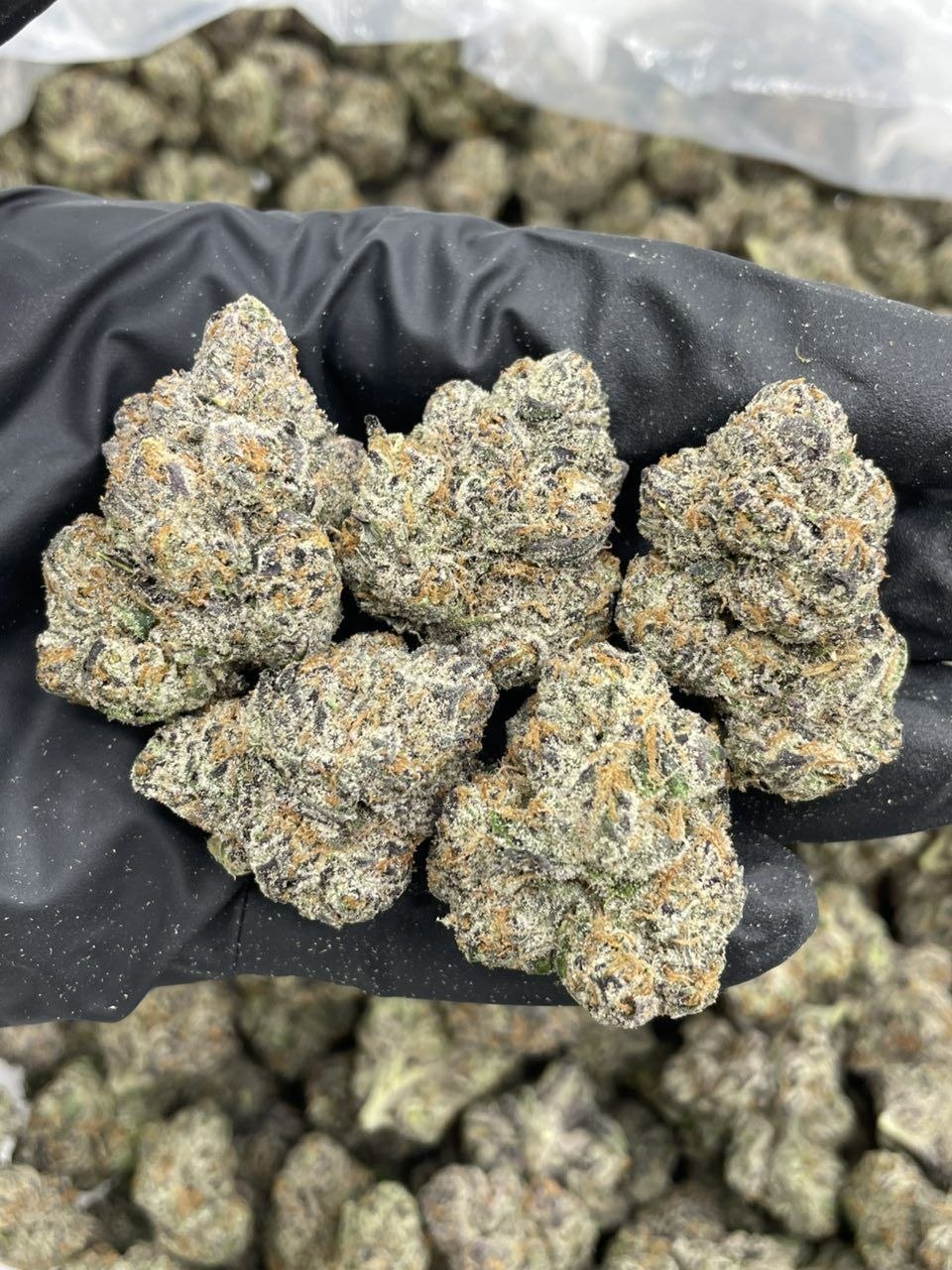
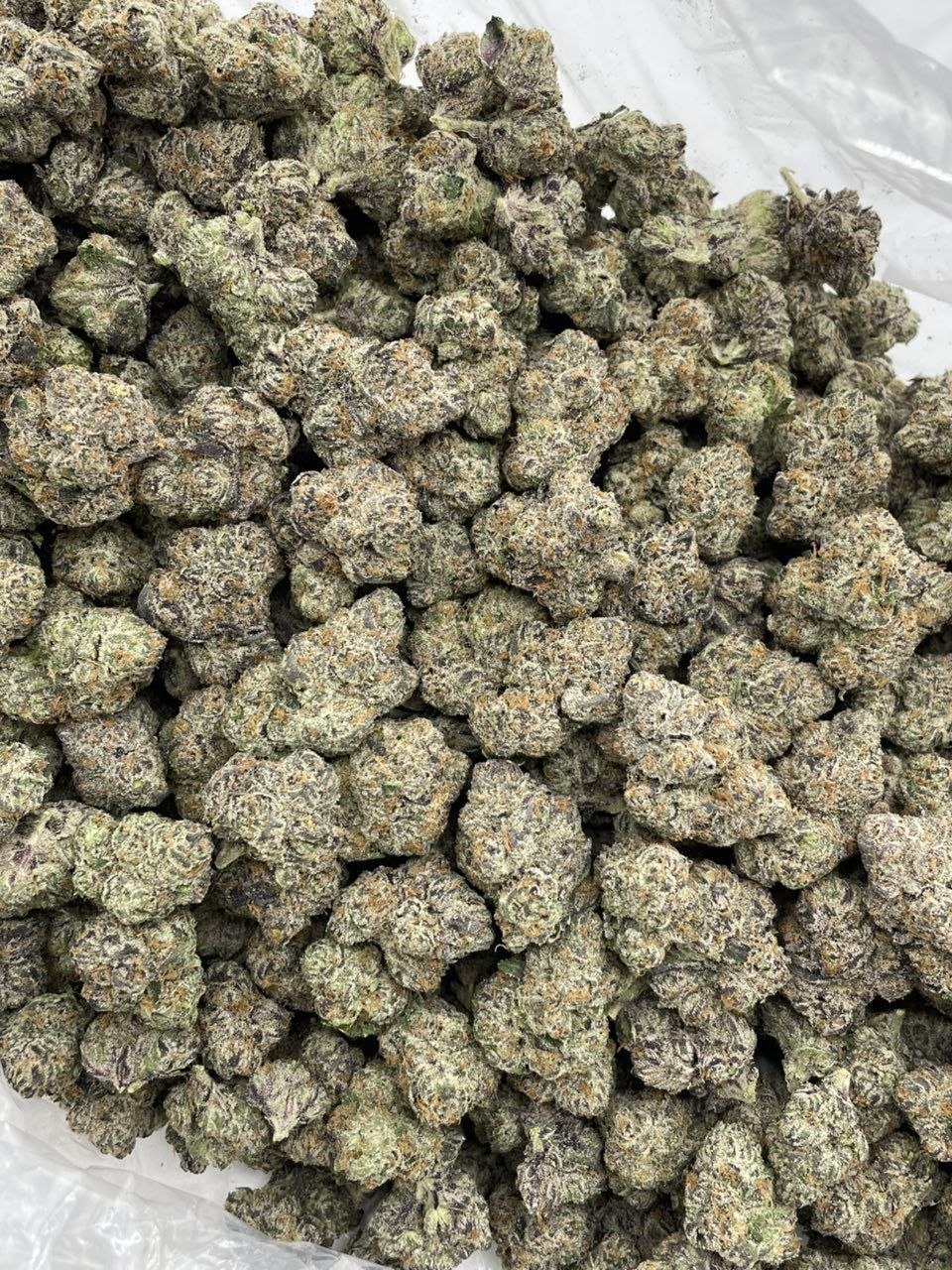
The buds of Nuclear Cherries typically display a dense structure with shades of green accented by orange pistils. In some phenotypes, purple hues may emerge during cultivation, especially when environmental conditions encourage color expression. A generous coating of trichomes often gives the flowers a frosted appearance.
Aroma Profile
One of the most recognizable features of Nuclear Cherries is its aroma. Many users describe notes of ripe cherries, sweet berries, and subtle earthiness. Depending on the cultivation method and phenotype, hints of citrus, spice, or floral characteristics may also be present.
Flavor Characteristics
The flavor profile often mirrors the aroma. Sweet cherry notes commonly dominate the experience, while earthy and herbal undertones contribute additional complexity. Some consumers report subtle candy-like qualities that distinguish the strain from other fruit-forward varieties.
Cultivation Information
Growing characteristics can vary by breeder and phenotype. Cultivators generally evaluate factors such as plant structure, flowering duration, resistance to environmental stress, and yield potential when assessing this strain. Environmental conditions, nutrient management, and post-harvest curing practices all influence the final product quality.
Cannabinoid Content
Cannabinoid levels vary significantly between individual harvests. Laboratory testing is the most reliable method for determining cannabinoid concentration. Results may differ based on genetics, cultivation techniques, and harvest timing.
Terpene Profile
Terpenes play a major role in the aroma and flavor of cannabis. Nuclear Cherries may contain varying amounts of common cannabis terpenes, including myrcene, caryophyllene, and limonene. Laboratory analysis provides the most accurate assessment of terpene composition.
Consumer Interest
Interest in Nuclear Cherries often stems from its distinctive flavor profile and visual appeal. Cannabis consumers frequently seek strains that offer unique aromatic characteristics, and cherry-focused varieties continue to attract attention within the broader cannabis market.
Storage Considerations
Proper storage helps preserve flower quality over time. Cannabis products are generally stored in airtight containers away from excessive heat, light, and moisture. Maintaining appropriate storage conditions can help protect terpene content and overall freshness.
Nuclear Cherries has gained recognition for its cherry-inspired aroma, attractive appearance, and notable terpene profile. As with any cannabis strain, characteristics may vary depending on cultivation methods, genetics, and post-harvest handling. Consumers and cultivators alike often evaluate laboratory results and breeder information to better understand the specific qualities of a particular batch.
Genetic Background and Breeding Characteristics
The genetic foundation of Nuclear Cherries contributes significantly to its identity. Modern cannabis breeding focuses on combining desirable traits from carefully selected parent plants. Breeders often seek to enhance flavor, aroma, appearance, resin production, and cultivation performance through selective breeding practices.
In the case of fruit-forward cannabis varieties, cherry characteristics remain highly sought after because they provide a distinctive aromatic profile that stands apart from more common citrus, pine, or earthy varieties. As a result, strains featuring cherry-inspired terpene expressions continue to attract attention among cultivators and cannabis researchers.
Genetic stability plays an important role in cultivation. Stable genetics help growers achieve greater consistency across multiple harvests. However, phenotype variation remains common in cannabis cultivation. Different plants grown from the same seed batch may exhibit variations in color, aroma intensity, growth structure, and resin development.
Flower Structure and Visual Appeal
Visual characteristics often serve as one of the first indicators of quality. Nuclear Cherries is frequently associated with dense flower formation and abundant trichome coverage. The resin glands covering the flower surface contribute to the frosted appearance that many cannabis varieties display.
Bud coloration can vary depending on genetics and environmental conditions. Green remains the dominant color in most harvests, while purple shades occasionally emerge during flowering. Orange pistils create additional contrast, giving the flowers a vibrant appearance.
Trichome development represents another important characteristic. These microscopic structures contain cannabinoids, terpenes, and other compounds naturally produced by the plant. Under magnification, mature flowers often display extensive trichome coverage across calyxes and sugar leaves.
Terpenes and Aromatic Complexity
Terpenes are aromatic compounds naturally found in many plants, including cannabis. They contribute significantly to the scent and flavor profile of individual strains. Environmental conditions, cultivation methods, curing procedures, and genetics all influence terpene development.
Many cherry-focused cannabis varieties contain terpene combinations that create sweet and fruity aromatic expressions. Depending on laboratory analysis, Nuclear Cherries may contain varying concentrations of several common terpenes.
Myrcene
Myrcene is one of the most frequently identified terpenes in cannabis. It also appears naturally in mangoes, hops, and lemongrass. This terpene often contributes earthy, herbal, and musky aromatic notes.
Caryophyllene
Caryophyllene is commonly associated with peppery and spicy aromas. It occurs naturally in black pepper, cloves, and cinnamon. In cannabis, it often adds depth and complexity to sweeter terpene profiles.
Limonene
Limonene contributes bright citrus characteristics. Although Nuclear Cherries is known primarily for cherry-inspired notes, subtle citrus undertones may emerge depending on terpene composition.
Pinene
Pinene appears naturally in pine trees, rosemary, and basil. Small concentrations may contribute fresh and crisp aromatic qualities.
Environmental Factors Influencing Quality
Cannabis quality depends on more than genetics alone. Environmental conditions play a substantial role throughout the cultivation cycle.
Lighting intensity influences plant development, flower density, and cannabinoid production. Indoor cultivators frequently use controlled lighting systems to optimize growth conditions.
Temperature management remains equally important. Excessive heat can reduce terpene retention, while cooler temperatures may encourage color development in certain genetic lines.
Humidity control supports healthy plant growth and helps reduce environmental stress. Proper airflow also contributes to maintaining a stable growing environment.
Nutrient management influences overall plant health. Balanced nutrition supports vigorous growth while helping plants reach their genetic potential. Growers often adjust nutrient schedules throughout different stages of development.
Harvesting and Post-Harvest Processing
Harvest timing significantly affects final product characteristics. Cultivators typically monitor trichome maturity when determining the optimal harvest window.
After harvest, flowers undergo drying and curing processes. These stages help preserve aroma, flavor, and overall quality. Slow drying under controlled conditions often supports terpene retention.
Curing allows moisture levels within the flower to stabilize gradually. Proper curing practices can enhance aroma complexity and improve consistency throughout stored batches.
Storage conditions continue to influence product quality after curing. Airtight containers, moderate temperatures, and limited light exposure help maintain freshness over time.
Laboratory Testing and Product Evaluation
Modern cannabis markets increasingly rely on laboratory analysis to provide objective information about products. Testing may include cannabinoid profiling, terpene analysis, and contaminant screening.
Cannabinoid testing measures concentrations of compounds such as THC, CBD, and minor cannabinoids. Results can vary considerably between harvests, even within the same strain.
Terpene analysis provides detailed insight into aromatic composition. These reports help cultivators, researchers, and consumers better understand the chemical profile of individual batches.
Quality assurance programs may also evaluate moisture content, microbial contamination, heavy metals, pesticides, and residual solvents where applicable.
The Growing Popularity of Cherry-Flavored Cannabis Varieties
Fruit-forward cannabis varieties have gained substantial popularity over the past decade. Among these, cherry-inspired strains occupy a unique niche due to their recognizable aroma and flavor characteristics.
Cherry-focused cultivars often stand out in dispensary menus and strain discussions because the aroma profile differs from more traditional cannabis scents. This distinctiveness has encouraged continued breeding efforts aimed at enhancing cherry terpene expression.
As cannabis genetics continue to evolve, breeders frequently explore new combinations that preserve desirable flavor traits while improving cultivation performance. Consequently, strains featuring cherry-inspired profiles remain an active area of interest within modern cannabis breeding programs.
Market Recognition and Consumer Awareness
Consumer interest in cannabis strains often develops through a combination of genetics, appearance, aroma, and breeder reputation. Nuclear Cherries has attracted attention largely because of its distinctive sensory profile and visual characteristics.
Educational resources, laboratory reports, and breeder information help consumers learn more about specific strains. As transparency continues to improve within regulated cannabis markets, access to detailed product information has become increasingly important.
Understanding factors such as genetics, terpene composition, cultivation methods, and laboratory testing allows consumers to make more informed decisions when evaluating cannabis products.
Summary
Nuclear Cherries is recognized for its distinctive cherry-forward aroma, appealing visual characteristics, and complex terpene profile. While specific traits vary between breeders and harvests, the strain remains notable for its fruit-inspired sensory qualities. Genetics, cultivation practices, environmental conditions, harvesting methods, and curing procedures all contribute to the final characteristics observed in each batch.
As cannabis research and cultivation techniques continue to advance, strains such as Nuclear Cherries provide valuable examples of how breeding and environmental management can influence aroma, appearance, and overall product quality.
Understanding Cannabis Phenotypes
One of the most fascinating aspects of cannabis cultivation is phenotype variation. Even when plants originate from the same genetic lineage, individual specimens may express different traits. Nuclear Cherries can demonstrate subtle differences in aroma, color, growth pattern, and resin production depending on the phenotype that emerges during cultivation.
Phenotype selection is a critical step for breeders and commercial cultivators. During this process, growers evaluate numerous plants and identify those that best represent desired characteristics. These selected plants may then be preserved for future cultivation programs.
Cherry-forward phenotypes are often highly valued because they showcase the strain’s signature aromatic identity. Meanwhile, other phenotypes may emphasize earthy, floral, or citrus notes, creating additional diversity within the genetic line.
Indoor Cultivation Characteristics
Indoor cultivation allows growers to create highly controlled environments. Because lighting, temperature, humidity, and airflow can be managed precisely, indoor cultivation often produces consistent results.
Nuclear Cherries typically benefits from stable environmental conditions. Growers frequently monitor factors such as:
- Daytime temperature ranges
- Relative humidity levels
- Air circulation
- Nutrient availability
- Light intensity
- Root zone health
Through careful management, cultivators can encourage healthy development throughout both vegetative growth and flowering stages.
Indoor environments also provide protection from weather-related stress. Consequently, growers can maintain greater consistency from one harvest to another.
Greenhouse Cultivation Considerations
Greenhouse cultivation combines natural sunlight with environmental management systems. This approach offers several advantages, including reduced energy consumption and enhanced light exposure.
Many cultivators appreciate greenhouse production because sunlight contains a broad spectrum that supports plant development. At the same time, environmental controls help moderate temperature fluctuations and humidity levels.
Greenhouse-grown Nuclear Cherries may exhibit strong terpene development when environmental conditions remain favorable throughout the flowering cycle.
Outdoor Growing Potential
Outdoor cultivation exposes cannabis plants to natural environmental conditions. Sunlight, seasonal weather patterns, and regional climate all influence plant performance.
Growers selecting outdoor cultivation methods often evaluate factors such as:
- Growing season length
- Rainfall patterns
- Temperature ranges
- Pest pressure
- Wind exposure
- Soil quality
When conditions align with the plant’s requirements, outdoor cultivation can support vigorous growth and substantial flower production.
However, environmental variability creates additional challenges compared with indoor or greenhouse cultivation. Therefore, careful planning remains essential throughout the growing season.
Importance of Soil Health
Healthy soil serves as the foundation for successful cultivation. Soil structure influences water retention, root development, nutrient availability, and microbial activity.
Many cultivators focus on building biologically active soils that support plant health throughout the cultivation cycle. Organic matter, beneficial microorganisms, and balanced nutrient levels contribute to productive growing environments.
Soil testing often provides valuable information regarding nutrient availability and pH balance. As a result, growers can make informed adjustments when necessary.
Healthy root systems frequently translate into stronger plant development above ground. Consequently, soil management remains a priority for many cultivators.
Water Management Strategies
Water plays a fundamental role in plant physiology. Effective irrigation practices support nutrient transport, photosynthesis, and cellular function.
Both overwatering and underwatering can create stress. Therefore, growers typically monitor soil moisture carefully and adjust irrigation schedules based on environmental conditions and plant development stages.
Several factors influence water requirements, including:
- Container size
- Plant maturity
- Temperature
- Humidity
- Airflow
- Growing medium composition
Balanced irrigation practices help maintain healthy growth while supporting overall plant performance.
The Science Behind Cannabis Aromas
Cannabis aromas originate from complex interactions between terpenes, flavonoids, and other naturally occurring compounds. Researchers continue to investigate how these compounds contribute to the distinctive characteristics associated with specific strains.
In cherry-focused varieties, aromatic complexity develops through combinations of sweet, fruity, floral, and earthy compounds. Rather than relying on a single terpene, the characteristic scent emerges from the interaction of multiple components.
Environmental conditions influence these compounds significantly. Therefore, identical genetics can produce noticeably different aromatic profiles when cultivated under different conditions.
Color Development in Flowering Plants
Color expression often attracts attention among cannabis enthusiasts and cultivators. Purple hues, deep greens, and vibrant orange pistils contribute to visual appeal.
Anthocyanins are pigments responsible for many purple and blue shades found in plants. Certain cannabis genetics possess a greater tendency to express these pigments, particularly when exposed to cooler nighttime temperatures during flowering.
Although coloration may enhance visual interest, it does not necessarily indicate cannabinoid concentration or overall quality. Instead, color should be considered one of many characteristics used when evaluating a harvest.
Resin Production and Trichome Formation
Resin glands, commonly known as trichomes, represent one of the most important structures found on cannabis flowers. These microscopic glands produce and store cannabinoids, terpenes, and other compounds.
Several factors influence trichome development:
- Genetics
- Environmental conditions
- Plant health
- Light exposure
- Nutrient management
- Harvest timing
Dense trichome coverage often creates a sparkling appearance across flower surfaces. Under magnification, mature trichomes resemble tiny crystal-like structures.
Researchers continue to study the biological role of trichomes and their relationship to plant defense mechanisms.
Quality Indicators in Cannabis Flowers
Evaluating cannabis quality involves examining multiple characteristics rather than relying on a single factor. Common indicators include:
Appearance
Healthy flowers generally display strong structural integrity, visible trichome coverage, and well-developed calyxes.
Aroma
Distinct and well-preserved aromas often indicate effective cultivation and curing practices.
Moisture Content
Proper moisture balance supports freshness while reducing the likelihood of storage-related issues.
Laboratory Verification
Testing provides objective data regarding cannabinoid and terpene composition.
Consistency
Reliable cultivation practices contribute to consistent quality across multiple harvests.
Future Trends in Cannabis Breeding
Cannabis breeding continues to evolve rapidly as cultivators pursue new flavor profiles, improved cultivation characteristics, and enhanced genetic stability.
Fruit-inspired strains remain a major area of interest. Cherry-focused genetics, including varieties similar to Nuclear Cherries, are likely to remain relevant because consumers consistently seek distinctive aromatic experiences.
Breeders increasingly utilize advanced selection techniques to identify desirable traits more efficiently. Consequently, future generations of cannabis cultivars may offer even greater consistency and diversity.
Research into terpene expression, cannabinoid production, and plant genetics continues to expand. As scientific understanding grows, cultivation practices and breeding strategies will likely become even more refined.
Final Thoughts
Nuclear Cherries stands out within the broader cannabis landscape due to its recognizable cherry-inspired aroma, attractive flower structure, and complex terpene profile. Its appeal extends beyond appearance alone, encompassing genetics, cultivation potential, and aromatic diversity.
Like all cannabis strains, its characteristics are shaped by numerous variables, including breeding practices, environmental conditions, harvest timing, and post-harvest handling. Understanding these factors provides valuable context for evaluating individual harvests and appreciating the complexity of modern cannabis cultivation.
As interest in terpene-rich and fruit-forward cannabis varieties continues to grow, Nuclear Cherries remains an informative example of how genetics and cultivation techniques combine to create unique plant characteristics within the evolving cannabis industry.


Reviews
There are no reviews yet.